New Online Options Available Now Learn More

Order Warranty

Author: Platinum Team

This post is part of our At Home In Metro Phoenix series. Each month, we explore local businesses, attractions, events and people that call our wonderful community home.

---

farmers-market
During the Valley’s intense summer months, one wouldn’t expect to find a bounty of fresh local eats. Perhaps a few items could be found here and there in an air conditioned cafe, but beyond that, there’s little likelihood of finding fresh, life-filled local produce and goods.

Or, so we thought.

A recent weekend outing proved our assumptions to be far too limited. Uptown Farmers Market, offers access to a wide array of vendors even in the middle of summer. Located at North Phoenix Baptist Church (SE corner of Central Ave and Bethany Home Road), the market runs from 8 a.m. to 12 p.m. Saturday mornings.

It’s a hub of activity even in the middle of these intense summer months. During this toasty season, a large part of the market moves indoors. This means you can browse at a leisurely pace even when peak temperatures hit.

Vendors are lined up both indoors and outdoors with plenty of goods to offer - fresh produce, jarred condiments, seafood, baked goods, plants, jewelry… you name it. We made it home with multiple bags filled with fresh greens, tomatoes, beets, mushrooms, plums, dates... and the list goes on. Plus, one member of our crew simply couldn’t resist indulging in a waffle from one of the food trucks lined up outside.

If you’re looking to stock your kitchen with some local fare this summer, a stop at Uptown Farmers Market is worth your while. We recommend carving out some time on an upcoming Saturday morning to take a little trip over there.

"Love begins at home, and it is not how much we do, but how much love we put in the action that we do." - Mother Teresa

life-at-home --- This post is part of our Life at Home series. Each month, we explore different thinking, techniques or tools related to the concept of a home and what it means to live well in ours. --- You know that feeling AFTER you finish organizing your closet? Amazing, right? The resulting sense of mental white space is a priceless reward. Except… Who are we kidding? You paid quite a price for it. With discipline, you dedicated yourself to the loathsome process of confronting your chaotic closet. And as you did so, you kept battling images of lounging by the pool. Somehow any and all images of leisurely weekend activities kept drifting through your mind. But, there you were… trapped in your closet, of all places. Does it have to be such undesirable drudgery? What if there was a different way of approaching that task of putting your home in order? That’s what The Life-Changing Magic of Tidying Up is about. Within her book, Japanese cleaning consultant Marie Kondo presents the distinct process she uses to help clients simplify and organize their homes. We should make clear -- Kondo is not promising a good ol’ time. But, she reframes the onerous task in quite a refreshingly meaningful light. A few things we took away from the read:
-Focus on what you want to keep versus what you want to get rid of. Fixing your energy and attention on what to “get rid of” casts the whole activity in a negative light. Instead, it’s best to place your emphasis on what you are choosing to keep. Doing so puts you in a more positive mindset from the get-go.

-Ask “does it spark joy?” To figure out what you want to keep, Kondo offers this filter question. She insists that you take each item in hand as you ask this question and pay attention to your reaction in both your mind and body. Yes, it may seem too out there for some folks, but following her advice was just right for us. Don’t be surprised if emotions come to the surface. Letting go of things that are no longer serving you can be tough, but there’s also a lot of reward in truly seeing those things that do, in fact, “spark joy” for you.

- Working by category, take EVERY item you own and put it on your floor. Yes, we hate to even bring this up. At first, it makes a massive mess, but she’s right -- it helps. For example, all of your clothes come off the closet rod into a big pile. You are then able to take each item in hand, see it in full light and determine whether it sparks joy. This prevents you from overlooking items or lazily leaving items in the closet that truly ought to be discarded.

This just scratches the surface of Kondo’s distinct approach to simplifying and organizing your home. With years of experience in tidying, Kondo has many more insights to offer on the topic. If you’re looking to get your home (and/or life) in order, this read may be for you. And, since we’re all for supporting local businesses, we recommend checking in with Changing Hands, Bookmans, your library branch or other favorite local spots to get a copy.

pool-chairs
1. Skim Debris
Skimming the pool’s surface by hand every few days is one of the fastest and easiest ways to keep your pool clean. Floating debris will eventually sink, becoming harder to remove. Use a long-handled net called a hand skimmer or leaf skimmer to remove leaves, bugs and other unwanted items. Skimming significantly increases the efficiency of the pool’s circulation system and lowers the amount of chlorine you’ll need to add to your pool.
2. Clean Out Baskets
Cleaning out strainer baskets at least once a week also helps circulation and lowers chlorine demands. Locate strainer baskets attached to the side of aboveground pools and in the pool deck of in-ground pools. Simply remove the plastic basket and shake it out; spraying the inside with a hose can help dislodge stubborn objects.
3. Vacuum the Pool
A pool should be vacuumed every week to keep water clear and reduce the amount of chemicals you need to add to it. There are many types of pool vacuums. If you have a manual design, work it back and forth all over the surface of the pool like you would if vacuuming carpet. It’s good form to slightly overlap each stroke. Check the filter each time you vacuum, and clean it if necessary.
4. Brush Walls and Tile
Vacuuming isn’t the only maintenance that should be done once a week. Brushing the walls and tile helps minimize algae buildup and calcium deposits so they don’t fester and become larger problems. The material your pool walls are made of dictates what kind of cleaning tools you should use. Select a stiff brush for plaster-lined concrete pools and a softer brush for vinyl or fiberglass walls. For tiles, use a soft brush to prevent scratching or degradation of grout. A pumice stone, putty knife or a half-and-half mixture of water and muriatic acid can also work well.
5. Clean the Pool Filter
There are three kinds of pool filters: cartridge, sand and diatomaceous earth. While there are different maintenance procedures for each type, all require periodic cleaning depending on the type of filter and how often a pool is used. Cleaning the filter more often than recommended can actually hinder the filtration process. A clean filter is less efficient than one with a mild amount of dirt in it because the dirt helps trap other particles, which removes debris from the water. However, you don’t want to let the filter get too dirty. A sign that it’s time to clean is an increase in flow between the pressure gauge and flow meter. Clean the filter when the difference reaches 10 to 15 pounds (4.5 to 6.8 kilograms) per square inch.
6. Professionally Service the Heater
Pool heaters typically require the least maintenance of all pool equipment. Gas heaters can work fine without being serviced for a couple years, and electric ones can last even longer. Consult your manufacturer’s manual for specific care instructions. Sometimes, calcium scales build up inside the tubes of a heater and restrict flow, preventing the water from heating adequately. If this happens, recruit the help of a professional because the heater may need to be disassembled and have its tubes cleaned out with a wire brush or acid. Hiring someone to service your pool can cost $100 or more per month, depending on the maintenance
7. Check and Maintain Water Level
A lot of water will be lost throughout the swimming season largely because of evaporation and normal wear and tear, such as swimming, splashing and exiting the pool. When you remove debris with your skimmer throughout the week, that’s also a good time to check the water level. Ensure it doesn’t fall below the level of the skimmer, otherwise the pump could be damaged. If the water is low, use a garden hose to bring it up to safe levels. If you drain your pool to perform maintenance or once the swimming season has passed, be careful to not let the pool sit empty too long. As a general rule, it’s best to leave water in a pool throughout the winter because the weight of the water counteracts with forces from the ground pressing up against the pool from below.
8. Maintain the pH Level
Pool water should be tested regularly to make sure it’s clean and healthy. The pH scale is a measurement of acidity or alkalinity that runs from 0 to 14. A reading between 7.2 and 7.8 is ideal; this range is safe for swimmers and helps sanitizers work at top efficiency. You can monitor your pool’s pH level with a testing kit. There are many kinds of testing kits available; however, most homeowner versions are either reagent kits or test-strips. Reagent kits aren’t too difficult to use. You take a sample of pool water, then add liquids or tablets to it. The water changes color, indicating its chemical balance. Test-strips work differently. When you submerge them in the pool for a few seconds, dyes they contain cause them to change color. Next, match up the strip to a color chart to determine the pool’s pH level. Use this information to gauge what kind and how much of the chemicals your pool needs.
9. Supercholorinate Water
Organic contaminants like ammonia or nitrogen build up in a pool over time. Massive amounts of such contaminants can interact with a pool’s chlorine to form chloramines, which give off that potent chlorine smell that many people associate with pools. To get rid of this harsh odor, it’s necessary to superchlorinate — or shock — pool water back to normal chlorine levels. While it may seem counterintuitive, adding a large amount of chlorine to a pool can make the undesired odor go away. Some pools should be shocked once a week, while others can go a significantly longer time. Follow manufacturers’ instructions before superchlorinating your pool to get the best results.
10. Find and Repair Leaks
Sometimes it’s difficult to determine if low water levels are due to evaporation or a leak. You can discover leaks in your pool by conducting a simple bucket test. Fill a plastic bucket three-quarters full of water. On the inside of the bucket, mark the water line. Place the bucket in the pool, then mark the water line on the outside of the container. (If the bucket has a handle, remove it to allow for better stability while floating.) Let it float for two or three days. If the water inside and outside the bucket has gone down the same amount, your pool is losing water due to evaporation. However, if the pool water level has gone down more than the water inside the bucket, your pool has a leak. That’s your cue to call a professional to have it patched.

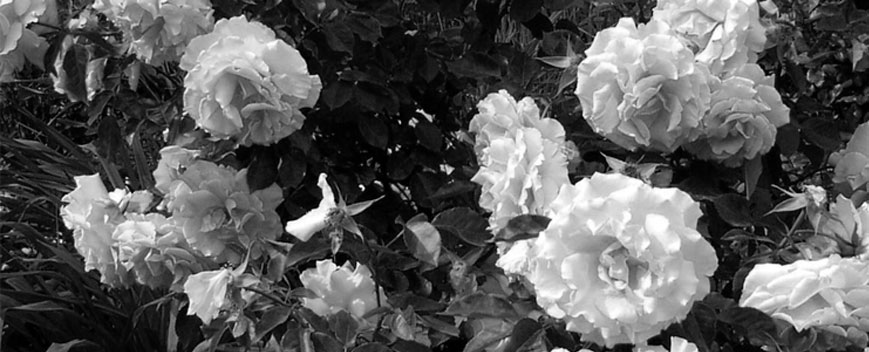
flowrs June in metropolitan Phoenix. This isn’t exactly the month for thriving plants. Long days, soaring temperatures, minimal rainfall and low humidity all amount to a challenging season for our plants and flowers. So, how can you help your landscape survive during these tough summer months? First, learn to water plants properly. Surprisingly, over watering is a top reason plants and trees suffer in the summer. It’s easy to over compensate and over water during these hot months. Many do not realize that the clay soil commonly used in the Valley traps in moisture well. As ISA Certified Arborist John Eisenhower shares in UGA, “if you water too much the oxygen level drops and the plant can suffocate. The general rule is not to put water on water, you should let the root zone dry out before adding more water.” How much should you water? Different plants, of course, have different needs. We’ve rounded up some details for specific plant varieties common in our community. Agaves It’s helpful to place agaves on an irrigation drip line that delivers one gallon of water per hour. Desert Botanical Garden recommends watering agaves with 2-4 hours of drip irrigation once a week when temperatures are above 100. Do not fertilize during the summer months. Shrubs Desert Botanical Garden recommends the following watering schedule for shrubs: Temperature,1st Year,2nd Year,After 2 Years Over 108 degrees,every other day, every 3 days,once a week Over 100 degrees,once a week,every 10 days,every 2 weeks 90-100 degrees,every 10 days,every 2 weeks,every 3 weeks 75-90 degrees,every 2 weeks,every 3 weeks,every 4-5 weeks [/table] Roses Deep watering is essential for roses June through September. In June, hose off your roses with a strong spray at least twice a week. In July, increase this to every day. This should help control spider mites. The Consulting Rosarians of the Mesa-East Valley Rose Society also recommend, “Fertilize roses with a slow release fertilizer in June. In July and August use magnum grow at one-third strength (1 teaspoon per gallon of water) every two weeks.” Remove spent blooms.   Turf   Bermuda lawns benefit from one inch of water per week. It’s also good to apply iron once a month. Once every two or three years, it may be necessary to dethatch Bermuda lawns. If needed, this should be done during the active season, which is May through August.   Trees Desert Botanical Gardens recommends the following watering schedule for trees: Temperature,1st Year,2-5 Years,After 5 Years Over 108 degrees,every 2-3 days, every 10 days,every 3 weeks Over 100 degrees,once a week,every 10 days,gradually extend to 4 weeks 90-100 degrees,every 10 days,every 3 weeks,gradually extend to 6 weeks [/table] With monsoon season on the horizon, this is also an ideal time to take extra measures to protect trees. Most large trees benefit from pruning to reduce tree and branch failure. Pruning palms, in particular, once they have finished flowering helps prevent infestations of palm flowering caterpillars. To withstand monsoon winds, Integrity Tree Service recommends, “Install or adjust staking systems on younger trees. Staking ties should be strong enough to keep trees upright in strong winds but loose enough to allow the trunk to move slightly.”   A few other tips To help your plants survive the tough some months, you may also want to:
-Pay attention to how your plants and flowers look. If they begin to wilt and the leaves curl up, give them water. -Check your irrigation system, and adjust the timer for the hotter days. -Apply mulch to the ground around heat sensitive plants. -Consider purchasing a soil probe to confirm that the water is penetrating 2-3 feet deep for trees and shrubs.  A long handled screwdriver may be used as well.

We hope these tips help you keep your plants going during the difficult summer months. For more information about caring for your plants, we recommend the following resources:

-AZ Cooperative Extension, Maricopa County -Desert Botanical Garden -Goodman’s Landscape Maintenance, LLC -Integrity Tree Service -Mesa East Valley Rose Society

   
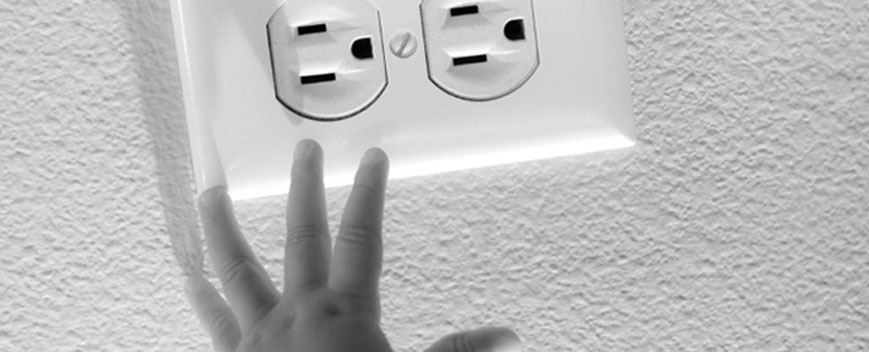
hand-reaching-to-outlet Your home ought to be a safe abode, but even our homes can be a real threat to our children’s safety. To help keep your home as safe as possible for your little ones, consider the following: Look at your home through children’s eyes As Baby Center puts it, “the best way to childproof your home for babies and small children is to get down on your hands and knees to see what your baby sees. What looks tempting? Carefully lock up all cleaning products, medications, sharp objects and anything that could be a choking hazard.” Childproofing is an ongoing process that should be reevaluated as your child grows. Consider your kitchen appliances Your dishwasher is a potential accident waiting to happen. Make it a habit to point knives, forks and other sharp utensils down in the basket. Also, be sure to keep detergent stored safely in a locked cabinet. It is extremely corrosive and should not be handled or consumed by your kids. Kitchen ranges are another potential hazard. Teach your children the dangers of reaching up and touching the stove. Keep the handles of pots or pans out of your child’s reach by using the back burners. Never allow children to climb on oven doors, and be sure to install anti-tip brackets as an extra safeguard. Protect electrical outlets According to Baby Center, “It's a good idea to protect electrical outlets with outlet covers. Unfortunately, the removable little plug-in caps can easily end up in your baby's mouth. Instead, replace the outlet covers themselves – at least those that are accessible – with ones that include a sliding safety latch.” Tip-proof your furniture Children love to climb, but climbing on furniture can be dangerous. Large or heavy bookcases, dressers and appliances can all pose a threat. Make sure to put heavy items on the bottom of bookcases, so they are not top heavy. Keep dresser and bookcase drawers closed to discourage climbing. Place floor lamps behind a piece of furniture and out of children’s reach to prevent tipping. It’s also helpful to pad furniture corners with pads to soften any impacts. Give attention to windows and coverings Never place a baby’s or young child’s crib/bed beneath a window. Keep low windows locked, or install window guards, so they can only open a few inches. Keep furniture away from windows. Window blinds and curtain are can pose a threat as well. A baby’s neck could become caught in the loop. Use cordless window coverings, cut off the pull cord or use cords that wind-up. Lock away or replace hazardous products Cleaning products, toiletries and medications are just a few dangerous products you may have in your home. Read labels, and keep these products out of children’s reach. You may also consider replacing these products with safer alternatives where possible. Keep in mind that even baby products can pose a threat, and don’t be fooled by child resistant packaging. According to Parents.com, “Some bath and baby oils contain liquid hydrocarbons, which can cause a serious pneumonia-like condition, irreversible lung damage, and even death if a child aspirates the substance into their lungs.” Fence off-limits areas Most parents use gates to cordon off a room to keep babies and toddlers from entering or exiting. It’s important to purchase a brand new safety gate as designs have evolved to be safer in recent years. If you are using a gate at the top of stairs, be sure to install the type that screws to the wall. Practice water safety According to CPSC “an infant or toddler can drown in a few seconds in as little as a few inches of water.”  To protect your little ones:
- Never leave a bucket of water unattended. - Never leave you child alone in the tub for even a few seconds. Stay within an arm's reach of your baby or toddler, and remember that ring or bath seats are not safety devices. - Install a safety latch on toilets. - Drain wading pools after use. - Keep pools gated, and never ever leave any child unattended.

Monitor interactions with pets Never leave young children alone with the family dog. Teach them to respect your pets, never disturb a dog while they are eating. Keep dog food and small dog toys out of your child’s reach, as both can be choking hazards. Keep visitors’ belongings out of reach When visitors stop by, it’s easy to get wrapped up in entertaining and forget about the extra safety concerns they may bring. Be sure to keep their belongings out of children’s reach. Purses often contain things that are intriguing but not safe such as pens, medication, hard candy, lighters or matches. These tips can help make your home a safer environment for babies, toddlers and young children. Remember, SUPERVISION is the best safety precaution for young ones.  
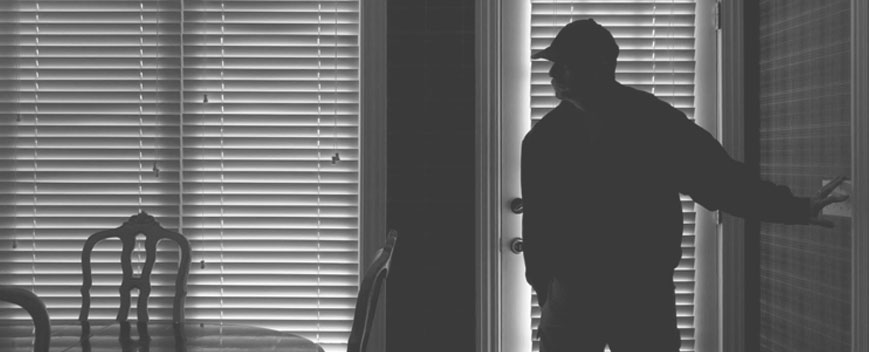
burglar Here in the Valley, summer has already announced its presence with temperatures soaring over 100 degrees. To escape the heat, many of us may leave town and head to the mountains, beach or other cooler climates. Unfortunately, this can leave our homes extra vulnerable to burglars. The majority of break-ins occur when nobody's home. Whether you on vacation or simply at the office, school or shopping, it’s important to keep your home protected from burglars. We’ve compiled some tips to help you do so. Take basic acts to secure your home
● Always lock your house, including the door from the garage door. 40% of break-ins are not forced! ● Secure sliding windows and doors with a strong dowel or metal rod. Place it in the groove of the door or window. ● When you are away, keep curtains or blinds closed. ● Make sure that your windows and doors are visible from the street and have adequate lighting so that a passerby could see if someone were attempting to break into your home. ● NEVER leave a spare key outside.

Install safeguard tools

● Install deadbolts, and use them. The introduction of deadbolts in the 1960’s decreased home break-ins dramatically. They are a simple way to discourage burglaries. ● Consider investing in modern technology. We have more access to a obtaining a secure home. Invest in a burglar alarm system and or security cameras. Install motion detectors and adequate outdoor lighting as a deterrent a well.

Keep valuables out of sight and out of mind

● Keep valuables out of sight from the window or door. ● When you purchase a new computer or TV, do not leave the box in the trashcan. Potential burglars can see this as an invitation for burglary. ● Keep bikes, mopeds and scooters in the garage or out of sight. ● Park your car in the garage with the garage door closed.

Build a neighbor network

● Be informed about crime in your neighborhood, and get to know your neighbors. Becoming acquainted makes it easy to look out for one another and detect a stranger.

Eliminate obvious signs that you are away

● Have a friend or neighbor pick up your paper and mail, or stop delivery until you return. ● If you are gone for an extended time, have someone cut your lawn and maintain your landscape. ● Put a light or two on a timer to go on and off as if you were home.

Avoid over-sharing that you are away

● DO NOT talk about your upcoming trip in public. ● DO NOT change your voicemail to announce to the world that you will be out of town. ● DO NOT broadcast that you are on vacation by posting photos on social media.

Be smart, safe, and secure, and have a great summer!
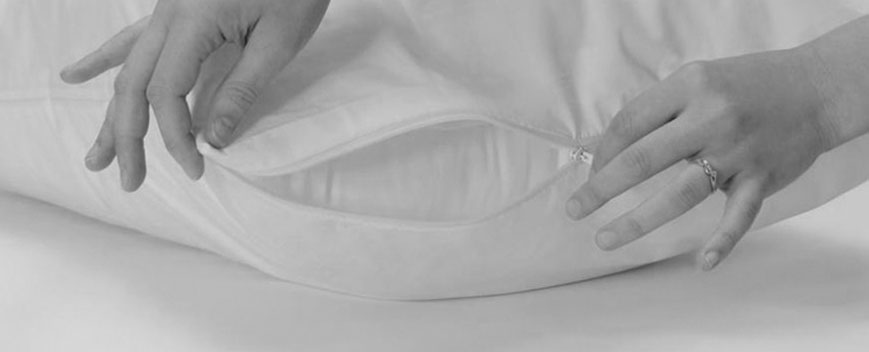
pillow House dust mites aren’t exactly a topic most people want to spend time thinking about. But, given that dust mite allergies are among the most prominent allergies in Phoenix, it’s worth taking a moment to understand how you can minimize dust mites in your home. What are dust mites? According to the AZ Allergy Society, house dust mites (scientifically called Dermatophagoides pteronyssinus and D. Farina) are microscopic mites that dwell in our homes. They can be found in our beds, sheets, carpets, sofas and any furnishings that contain moisture. They feed on dead skin found within the dust in our homes, and unfortunately, they leave a few things behind while they’re at it. Healthy Homes reports, “The average house dust mite produces approximately 2,000 fecal particles and even more partially digested enzyme-covered dust particles!” What are the symptoms of dust mite allergies? Experts have pointed to dust mites as a major healthcare problem that can adversely affect people’s daily lives. Symptoms of dust mite allergies include, runny nose, sneezing, watery eyes, hay fever, eczema and asthma. What can I do to prevent dust mites? The one ingredient dust mites need to survive is humidity. Without humidity, they dry up and die. Given this, the most important thing you can do is to minimize the humidity in your home. For those with major dust mite problems, a dehumidifier may be helpful. AZ Healthy Homes offers several other recommendations:

 -Cover mattresses, pillows and other upholstered articles with allergen-proof encasements. -Wash your sheets weekly, in hot water. -Use foam or and special hypoallergenic bedding (no feather pillows). -Get rid of carpeting if possible and use throw rugs that can be washed or dry cleaned on a regular basis. -If you must have carpeting then vacuum regularly and use a vacuum with a HEPA filter. -Keep pets out of the bedroom and definitely off the bed. -Get your home’s air quality inspected by a professional. -Have your home treated to remove dust mite and other allergens and indoor air pollutions. -Install micro-air filters to reduce indoor allergens.

Whether you suffer from allergies or simply care to keep your house tidy, these recommendations can help you minimize the impact of dust mites on your home and life

As the Valley heats up, protecting ourselves in the summer heat is a big concern. While your home’s A/C may be one way you stay cool this summer, we want to also take a moment to look at your personal protection in the heat beyond your home. Dehydration is no small subject here in Arizona, and several local incidents have called it to our attention around our office.

How hydration helps the body
Remaining hydrated is critical to a healthy body and mind. Staying hydrated helps prevent headaches, heartburn and indigestion. It also regulates elimination, reduces your appetite, lubricates your joints and maintains youthful skin. And, drinking plenty of water helps boost your morning energy levels and sustain your energy throughout the day.

How much fluid do you need?
Common medical recommendations use a simple equation: 0.5 ounces x Body Weight in Pounds = Daily Fluid Requirement in ounces. Check in with your doctor about your body’s specific needs.

What is dehydration?
Having your fluid level down by a liter is mild dehydration. Many times this manifests in a headache or other symptoms as your blood thickens. You may notice that you are not urinating regularly (every two hours) or that your urine is dark.
Severe dehydration can happen in less than an hour in extreme heat. When your internal temperature rises, heart rate increases, blood flow slows down and organ begins to shut down resulting in death. This is what has happened to many young, healthy people crossing our deserts in the extreme heat without enough water and too much exposure.

How can you rehydrate your body?
Mild dehydration is relatively easy to correct but should not be ignored. To rehydrate your body, drink water, and avoid caffeinated beverages or sodas. Drink 4-6 ounces at a time about every 15-20 minutes. Continue until you're peeing regularly and your urine is relatively clear. Keep in mind that most water is absorbed through in the small intestine, and there’s a time lapse before the water you drink is absorbed into your bloodstream.
To help replenish your electrolytes, eat a snack containing salt and calcium (such as trail mix or crackers and cheese). Sources of potassium, magnesium and protein are encouraged as well.

Keep time of day in mind
As you plan your activities this summer, be sure to consider the time of day. While it may seem simple, choosing to engage in outdoor activities in the morning hours can be much easier on your body and lessen the likelihood of dehydration. Use the morning hours for activities like yard work, cycling, hiking, running and walking. Drink plenty of water as you do so.

Stay safe this summer
Wherever your plans take you this summer, be sure to pack plenty of water and snacks in your car or bag. Having these essentials at your fingertips can help you stay hydrated or correct any dehydration that you may experience. Along with carefully choosing the time of day for outdoor activities and consciously drinking plenty of water, you can keep yourself protected in the summer heat.

firesafteytips
Preventative measures
Be sure you have working smoke detectors in all rooms of your home, and check batteries once a year.
 
In case of a fire
Call 911, and report the location.
Activate alarm, and alert others.
For small kitchen fires, use the extinguisher.
For large fires, GET OUT.
Do not attempt to save possessions at the risk of personal injury.
Do not break windows. Oxygen feeds fires.
Stay low if moving through smoke.
If your clothing catches on fire, STOP... DROP... ROLL.
 
Fire extinguisher instructions
Pull the safety pin from handle.
Aim the nozzle at the base of the fire.
Squeeze the trigger handle.
Sweep the spray from side to side.
 
If trapped in a room
Place cloth material around/under door to prevent smoke from entering.
Close as many doors as possible between you and the fire.
DO NOT open or break windows unless necessary to escape.
Be prepared to signal your location through a window.
 
If caught in smoke
Drop to hands and knees and crawl.
Hold your breath as much as possible.
Breathe through a filter (blouse, shirt, jacket, etc).
Breathe through your nose.

Share this Image On Your Site