New Online Options Available Now Learn More

Order Warranty

Author: Platinum Team

dishwasher
To fix it or not to fix it?  That is the question.  Home appliances can be pretty expensive and once you have invested in them, you want them to last for a while.  Every appliance has a different lifespan and certain appliances tend to last longer than others depending on how often they are used and for what they are used.  But, inevitably, appliances will break down at some point.  And when that time comes it is hard to know whether it will be worthwhile to invest in repairing the appliance or whether you should fork over the cash to purchase a new appliance.  One way to protect yourself from having to spend exorbitant amounts of money on new appliances anytime they break is to invest in a home warranty.  Depending on the home warranty you choose, many of your appliances will be covered under the home warranty and a repairman will be sent for a nominal fee should a problem occur.  This protects you against having to invest in a brand new appliance which can be very costly.  Below we discuss how to know whether it is better to repair or replace an appliance so that you can make the best decision should the need arise.
Know how long appliances typically last when well cared for.  For example, Houselogic notes that, on average, dishwashers last 9 years, garbage disposals last 12 years, washers last 10 years, dryers last 13 years, refrigerators last 13 years and cooking ranges last 13-15 years depending on whether they are gas or electric.    Knowing this will help you have a basic knowledge of what to expect from your appliances.
If a break or problem occurs with an appliance and it is still relatively new you may want to repair but if it is getting older it may not be worth investing the money in a repair.  The return on your investment will likely be minimized by its lifespan and you will end up spending a lot of money soon after on a new appliance.  In regards to this, Houselogic also discusses what they refer to as the "50%" rule as a guidepost for consumers to follow, " In 2014, the average cost to repair an appliance was $254 to $275. Should you pay it?  If an appliance is more than 50% through its lifespan, and if the cost of one repair is more than 50% of the cost of buying new, then you should replace rather than repair.  To do the math, you’ll have to know the typical lifespan (see above), and get a repair estimate. Most service companies charge a “trip charge” to diagnose the problem. These charges vary widely, so be sure to ask when you arrange the appointment.  If the company repairs the appliance, the trip charge typically is waived."
Consider what is cost-effective.  This is not simply related to comparing the cost of repairing vs. the cost of replacing.  It is also related to energy efficiency.  After all, a 10 year old refrigerator is likely far less energy efficient than a newer model.  Rather than spending money to repair a refrigerator that will cost a lot in monthly energy bills and break fully in a few years it may be the better choice to choose to upgrade now.

pipes
Drip, drip drip.....Nothing is worse than suddenly realizing that you have a leak and wondering just how long it has been happening.  A leak is not simply a nuisance but it could be the sign of a larger problem and could cause major damage.  But, life gets busy and depending on how much time you spend at home a leak could go unnoticed.  It is important to deal with a leak immediately so below we make note of the three most common home water leaks so that you can keep your eyes peeled for potential problems and address them should they occur.

  • Washing Machine

The washing machine is a handy appliance that most households today have.  But, that handy appliance can quickly turn into a hazard if a leak occurs.  And, unfortunately, leaks do often occur with washing machines.  Many washing machine problems start at the back of the machine, near the valves or hoses.  Over time, hoses can wear out from constant use and pressure.  Additionally, the movement of a washing machine may compromise crucial fixtures and cause breaks or corrosion over time.  If you notice a small amount of water at the front of a front loading washer there could be an issue with the seal on the door.  But if you notice a larger amount of water from underneath the washer or from the back, it is time to pull out the machine and look for visible problems.

  • Faucet

Faucets are used with great frequency and thus are more susceptible to leaks over time.  With many small moving parts, a leaky faucet is often the result of things simply getting a little loose.  A slowly dripping faucet may seem like no big deal but it will waste a significant amount of water and money over time.  As soon as you notice the slow drip of water every two or three seconds it is time to repair your faucet. There are a few different kinds of faucets d each type has their own repair method.  If you are unfamiliar with tools or plumbing repairs it is best to rely on a home warranty who can quickly and easily repair your faucet and keep your home functioning properly.

  • Toilet

A toilet leak may sound like messy or gross business but often it is quite similar to other leaks.  It can be caused by the flushing of the toilet and the movement that results and makes the toilet move against the pipe that is connected to the wall.  But, the most common toilet leak can be hard to spot or notice because it often occurs in the tank and out of sight.  The water level in the tank should exceed one inch below the top of the tank and if it does there is a leak that is causing the tank to fill up.  Additionally, the flapper valve can become warn out over time and cause water to leak into the bowl from the tank.  There is a simple way to check if you have a flapper leak - place a dye tablet or few drops of food coloring in the tank.  If you see the color in the toilet bowl within 15 minutes you know that you have a flapper leak.  As with any other leak, if you do not have plumbing experience or the proper tools, allow a home warranty to protect you and arrange for the proper repairs of plumbing in your home.

  • DO:  Consider the layout of your home.

When choosing flooring it is incredibly important to consider the layout  of your home.  For instance, if you have an open floor plan you likely want to install the same flooring throughout the main living space of your home.  If you opt to install different flooring in different rooms, consider the natural flow and how it will look to the eye.  Having two different kinds of flooring, even with a nice transition, will break up the space to the eye and could make it seem smaller.
 

  • DON'T:  Forget to factor who lives in the home into the decision.

When choosing flooring type, who lives in the home will play a significant factor in your decision.  After all, if two retirees live in the home and have no pets, home flooring will see significantly less wear and tear than if it is a family of five with small children and pets.  Hardwood floors are lovely but if you have small children running around and dropping toys or pets running across hardwood flooring all of those marks and scratches will begin to show quickly.  You may opt to choose a more durable flooring option such as tile.
 

  • DO:  Consider the use of the room.

Is it a kitchen, living room, bathroom, bedroom or somewhere else in the home?  What the room is used for will affect the type of flooring you choose to install.  For instance, in a kitchen there is a lot of liquids and potential spills.  Because of this, hardwood flooring is likely not ideal because it can be more easily damaged or stained.  The same goes for the bathroom.  If you are choosing flooring for your living room it will likely see less foot traffic so hardwood flooring or carpet would make a lovely choice.
 

  • DON'T:  Neglect to consider the climate in which you live.

This may not jump out as a major concern but climate can affect the flooring you choose.  For example, if you live in an incredibly humid or moist climate hardwood flooring could warp over time and cause major problems.
 

  • DO:  Take style into consideration.

When choosing flooring it is important to consider all practical factors but you still need to consider what your personal style is.  Do you love the look of hardwood floors?  Are you very interested in ceramic tile?  Are you intrigued by travertine?  If you have an interest in a particular kind of flooring you should, by all means, consider having it installed.  Just factor in the practical considerations when making your choice as well.  If you want to install tile in a herringbone pattern in your master bathroom - do it!
 

  • DON'T:  Go overly trendy.

Speaking of herringbone pattern - be wary of going too trendy with flooring.  It may be tempting to try the latest and great in flooring or try interesting installation patterns but if you go overboard with trends you will likely live to regret the decision.  For example, a herringbone pattern installed in a master bathroom will look great and visually interesting and it is not a huge commitment.  If you choose to install a herringbone pattern throughout the entirety of your main living area in an open concept floor plan, you could become incredibly sick of the pattern in a few years and have to undergo a major flooring transformation to make it something a bit more timeless.

flowers
Your home is likely one of the biggest investments you will ever make. It is for this reason that it is imperative to properly maintain your home. By doing so, you keep your home functioning as it should and prolong the life of fixtures, features and appliances. Regular home maintenance can be as basic as the usual "spring cleaning" tasks and as involved as changing filters, touching up paint and more. Not all things will needed to be done all the time, but completing as many of them as possible will help your home be prepared as the cold begins to thaw and beautiful spring temperatures arrive.

  • Start Outside

Through the harsh and cold winter, the exterior of your home has likely taken the brunt of the winter beating. Take a slow walk around your home and look for obvious problems such as cracks in the caulk or problems with the seals on the windows or doors. These things tend to occur over time but cold winter temperatures can speed up the process and cause them to wear out more quickly. Additionally, look for damage to the paint from harsh weather. Check the gutters and clear dirt and debris. During the fall and winter leaves and other debris often collect in the gutters and with snow and water from rain, clogs can happen. By clearing them, you will protect your home from damage due to clogs in the gutter. After examining the exterior of your home, it is time to examine the rest of your property.

  • Look Around Your Property

It is highly likely the cold temperatures have not been friendly to your plants. Trim them back so that the damaged areas are gone and new, fresh growth can occur. Rake the leaves and give the lawn a fresh trim as well. Check for any damage to walkways or paths and repair them because they could be hazardous to you and your guests and the last thing you want is anyone to trip and injure themselves. Next, clean off your grill and the area around your grill so that you can cook out while enjoying the new pleasant weather. It may not be quite time to plant new plants but by repairing your yard and lawn it will be ready for it when the time comes.

  • Move Inside

While the outside may take a harsh beating in the cold winter weather the inside does not get away unscathed. Throughout the holidays and cold temperatures, it is likely you have spent more time inside and that means the inside has seen more wear and tear. To begin, if you have neglected your air filters during the winter months, it is important to change them so that as you begin using your HVAC system for air conditioning as the temperatures rise it can be as energy efficient as possible. Just as you did with the outside, check all windows and doors to ensure the seals are intact. Dust the ceiling fan blades that tend to collect dust and then distribute it back into the room. Spring tends to bring allergies for many so this is one way to help reduce allergens in your home. Additionally, it is wise to check your smoke detectors in your home often to ensure they are working properly and replace batteries should it be necessary.

Laundry rooms tend to be one of those "catch all" locations where everyone drops all of their things and laundry accumulates as well. It does not take long for a mountain of random articles of clothing and other items to grow into a disorganized mess in the laundry room. While you may not be sitting down in your laundry room to eat dinner or enjoy a movie you will spend time in there and as another room in your home it deserves attention and organization so that you can enjoy your time spent in it.

To begin with any organizational project, it is important to start with a clean slate so first remove everything from the room o that you can see what you are working with. Some laundry rooms are barely the size of a closet while others are spacious - no matter the size, there is always a way to be more organized and efficient so that you can make the most of your laundry room. Once the room has been emptied, take stock of what you have and what you intend to store in the room. This will be an important factor in determining what organizational items you need to purchase.

Once you are organized it is time to purchase and gather your organizational items. Depending on your budget, one wonderful option is to install cabinetry in your laundry room. There are a wide variety of options to fit almost any budget. You can purchase pre-fabricated cabinetry from your local home improvement store and have them installed or install them yourself the same day. If you prefer the look of shelving to cabinetry, you may want to purchase an assortment of baskets or bins to help you organize your laundry room essentials. They can be plain and simple or they could be stylish to match your home decor. Just because your laundry room is utilitarian does not mean the style of the room has to be. One way to add form to function is to choose organizational items that double as home decor. In addition to bins, use things like canisters or glass jars to organize things like laundry detergent or other odds and ends. Putting your laundry detergent in a cute canister or container will only take a moment and may seem unnecessary but it is just one more way to reduce the industrial look and add style. Additionally, consider installing things like a drying rack or ironing board. By doing so, you keep things form ending up scattered all over the place or throughout the house. Everything can be accomplished in one room which will help your whole home stay more organized.

reclaiminghome

As a homeowner, there are few things more frustrating than a clogged pipe. Clogs are difficult to assess, hard to unclog and may even require the assistance of a plumber to restore proper flow through pipes. And, in the worst of cases, clogged plumbing can lead to major backups that cause costly damage. Plumbing maintenance is important and by taking care of your pipes each day you can prevent clogs from ever occurring in the first place. Follow the tips below to keep your plumbing in top shape and avoid frustrating clogs. And, an additional way to have peace of mind when it comes to plumbing issues is to purchase a home warranty to protect yourself in case an emergency does arise.

Skip the Chemicals

Chemical-filled drain cleaning products are not necessary when it comes to maintaining your plumbing. Common household items can be used to keep your pipes clean and clear rather than chemical products that are more likely to damage pipes than do any good. All you will need is baking soda and vinegar. First, pour 1/4 cup of baking soda down the drain. Next, pour 1 cup of white vinegar down the drain and allow it to sit in the drain for 30 minutes. After 30 minutes, rinse the drain with boiling water. The baking soda and vinegar will loosen things that are stuck in the drain and allow them to be rinsed away rather than cause clogs from buildup.

Be Careful What You Put Down the Drain

Just because it can fit in the drain does not mean it should go in the drain. Only biodegradable things should go in the drain and even then, not all biodegradable things should go in the drain. In the bathroom, avoid letting things like debris and hair enter plumbing because over time they will build up and cause clogs. Suddenly, you will notice a slow drain and that is the first symptom of a larger, growing problem. In the kitchen, the worst thing you can do is pour cooking grease down the drain. Cooking grease while hot is in a liquid form but once it cools, it will solidify. As it solidifies, it will latch onto debris in the plumbing and form problematic clogs. Egg shells and citrus peels are good to put down the drain as they act like little scouring agents to help keep the blades clean. Be sure to run the garbage disposal in order to chop up the pieces small enough as to not pose a problem for plumbing. Avoid things that are fibrous because they will lead to clogs as well. Always run the garbage disposal with cold water, rather than hot, because it will help everything stay solidified and get chopped up smaller and then rinsed down the drain. When at all possible, try to only put water down the drain and it will help keeps things running as smooth as possible.

Clean Drain and Trap Immediately

If you see a slow drain, do not ignore it. The problem will not magically go away, it will only get worse. Be sure to contact your home warranty company right away so they can send a qualified technician out to help clear the line before you end up with a costly backup.

What does HOME mean to you?

We heard from you…  For clients, the Batson’s – home means so much…  And we’re proud to say, it means so much to us also!

“When we sell a home, we always make sure our buyers have a home warranty program and we maintain one from Platinum Home Warranty on our own home.”

Tired of staring at the same old boring bathroom, day in and day out?  Over time, things like fixtures go out of style and as technology and trends shift, there are new ways to design a bathroom that are more functional, stylish and luxurious.  When beginning any bathroom remodel, it is important to think first about how you need and want the space to function.  If you love to take baths, you probably want a large soaker tub.  If you really want to turn your bathroom into a luxurious spa-like experience, there are many high-end features to consider adding.  After considering function, consider your "wants."  Depending on your budget, these do not have to be purely utilitarian, if you are going to undertake a remodel you might as well get exactly what you want out o fit.  Now is the time to go for it and really declare what you want from your bathroom design.  Lastly, it is important to consider what is stylish and on trend.  While you probably do not want to design your bathroom solely around trends, it is always a good idea to keep your home current so that your home looks nice for guests and if you do decide to sell, it will be desirable to potential buyers.  Below are current trends in bathroom design.

1. Technology

When you think of bathrooms, you do not necessarily think of technology. But, when it comes to home remodels, everyone is opting for increasing home technology and the bathroom is no exception. Many people are choosing to make their bathroom the ultimate escape and sanctuary by adding technology features like a television. A television can be mounted on the wall and there are now mirrors and showers that can be installed with televisions already in them. There are digital showers available that allow you to create individual shower settings and preferences and save them so that when you shower, it knows exactly what you like and when someone else showers they can have their own settings as well. Also available are touchless faucets as well as digital and automated toilets. There is technology for everything and you can deck your newly remodeled bathroom with as much technology as your heart desires.

2. High End Upgrades

As many people continue to focus on turning their home into a sanctuary, they are considering every detail, including the bathroom. Not only do they want high-end finishes in the kitchen but they want to enjoy every inch of their home and one way to do so is to install high-end features in their bathroom that create a spa-like experience. Simple light fixtures go by the wayside in favor of a stylish chandelier and beautiful vanity fixture. Upgraded fixtures that are long lasting but also stylish stay trendy. Installing a steam shower rather than a basic shower will instantly transport you to the spa and away from your troubles. When you add high-end features, your bathroom will feel more like escaping to a resort than spending time in your own home.

3. Energy Efficiency

Energy efficiency is one trend that seems to have staying power. Low flow toilets and shower heads reduce how much water is used. Energy efficient light fixtures and bulbs also help reduce energy consumption. This will not only help you stay "green" but it will also help you keep your utility bills low because you will be using less water.

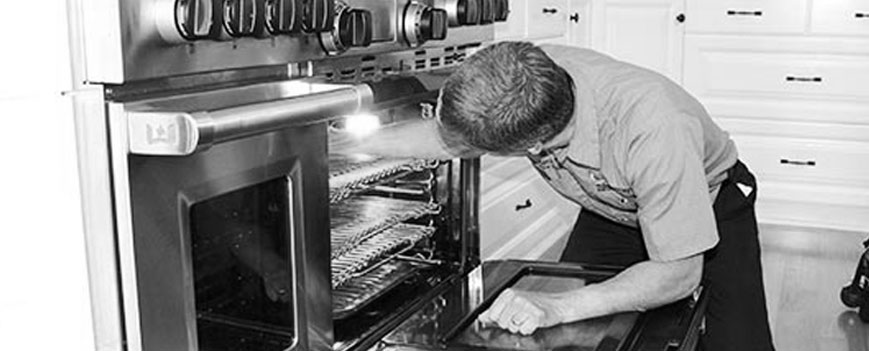
If you cook with any regularity, your range and oven are  probably your most used appliances in your home.  They  are incredibly handy appliances that allow you to feed yourself and your family delicious meals so that you do not have to spend money on expensive take-out food every night.  With so much use comes the wear and tear that can really take a toll on an appliance over time, especially during the holidays. With so much use, it is important these appliances be maintained regularly in order to function properly.  If you notice problems with your oven or range that seem to be beyond your abilities or simple cleaning, it is wise to call your home warranty company and allow professionals to repair your range.  The best way to prevent major problems from occurring is to regularly maintain your oven or range.  Below are the top 3 ways to achieve this maintenance this.

1. Clean the Surfaces

Cooking is, inevitably, messy.  Things splatter and spill and all of that mess with so much heat tends to get caked on and tough to clean very quickly.  The best thing you can do for your oven and range is to immediately clean any spills or splatters that you see.   Often, it is best to use soap and water with a rag to clean up spills and use cleaning products only for the toughest of spills.  For smooth cooktops, there are cleaning products specifically designed to clean cooktops with cleaning pads that will not scratch or leave marks.

2. Deep Clean

Depending on how often you use your oven, it is best to use the self-clean function once or twice per year.  Your oven will get very hot so it is a good idea to be home.  Many people prefer to run the self-clean function over night with the windows open because once the oven gets very hot it tends to emit an unpleasant odor.  An additional way to loosen up caked on food particles is to put a bowl of boiling water with vinegar in the oven (while the oven is completely cooled down and off), close the door and let it sit for 30 minutes.  After 30 minutes, open the door and wipe down the inside of the oven.

3. Prevent Food Accumulation

When baking a dish that could potentially bubble over, consider putting a baking sheet or drip pan on the bottom rack of your oven.  With the sheet or pan there to catch any bubble-over, it will help prevent food from falling and accumulating on the hot cooking elements at the bottom.  Do not line the bottom of your oven with tin foil because if the foil is too close to the cooking elements, or touching the cooking elements, it could potentially catch fire.