New Online Options Available Now Learn More

Order Warranty

Author: Platinum Team

Do you own a home? Are you looking to own a home? If so, you may want to consider purchasing a home warranty protection plan. Home warranty plans cover the normal wear and tear of appliances and systems that are properly maintained. If one of your home appliances or systems breaks down, your warranty should cover the repair or replacement cost of the appliance or system. So, what are some things you should look for when you are shopping for home warranty coverage?

One thing to look for when shopping for a home warranty is the appliances and systems that are covered. There are probably certain appliances and systems you want covered under your home warranty protection plan. Speak to representatives of different home warranty companies. Tell them which appliances and systems you want covered and ask them for a plan that will best fit your needs. Some appliances and systems that are typically covered are water heaters, dishwashers, refrigerators, plumbing systems, heating systems, air conditioning systems, electrical systems, and even your doorbell.

Another thing to look for when shopping for a home warranty is the cost of the warranty. What are the premiums? Do you pay them monthly or yearly? Will the price rise after the first year? If an appliance or systems breaks down and needs to be repaired or replaced, will you be responsible for any of the cost? If so, how much will you pay? These are all questions that are good to ask when trying to figure out the cost of a home warranty protection plan. Some home warranty companies will give you a quote on-line. Or you can call a representative of the company and he or she can answer your questions. Get multiple quotes from different companies. This will help you better determine which company and plan will best fit into your financial plan.

When shopping for a home warranty plan, make sure that you ask about the terms and conditions of the plans you are looking at. You will want to know what is covered (or not covered), how far the coverage extends, what fees you will need to pay, and the cost to renew. Read everything carefully before you accept the plan. You want to make sure you know what you are paying for in your home warranty protection plan.

Last of all, when shopping for a home warranty, make sure that you know how your plan works. You want to make sure that the process is simple and uncomplicated. For example, it may look something like this: When an appliance or system breaks down, you call the home warranty company. They call a service provider. The service provided then calls you to set up an appointment. The service provider will come and fix your appliance or system. If the appliance or system is irreparable, the service provider will inform the home warranty company. You may pay a fee for the repair or replacement, which is determined by the terms of your home warranty protection plan.
Shopping for a home warranty does not have to be difficult. By following the tips outlined above, you can have the assurance that you will be able to choose the home warranty plan that best meets your needs.

If you are looking to buy a home or already own a home, you may want to consider purchasing a home warranty plan. These plans are designed to cover the cost of repairing or replacing the many systems and appliances that make up your home. In the event that one of your appliances breaks or one of your home systems shuts down, having a home warranty will ensure that you do not have to pay the full cost of repair or replacement.

There are many appliances and systems that a home warranty plan covers and it varies from plan to plan. Some common appliances that a home warranty covers are refrigerators, washers and dryers, and ovens. Some common systems that are covered by a home warranty are the plumbing, electrical, and central air conditioning systems. The plan you choose can be customized to fit your needs. In order to choose the plan that will best protect you, you should be aware of which appliances and systems have the highest rates of breaking down or needing to be replaced. The top five home warranty claims are furnaces, air conditioning systems, heating systems, dishwashers, and refrigerators. You will want to make sure that the home warranty plan you choose covers these five appliances and systems.

The heating and cooling systems of your home are vital to your comfort. A heating system warms your home during the winter months. There are many different kinds of heating systems, including a furnace. If your heating system stops working in the middle of the winter, you will need to get it fixed or replaced quickly, especially if you live in an area with harsh winter weather. It can be miserable to be without heat on a cold winter night. Your air conditioning system is also important. If you live in a place that gets unbearably hot at some point in the year, you want to make sure that your air conditioning is protected. Going without the cooling benefits of an air conditioning on a hot summer day will quickly remind you how important it is to have your air conditioning system in working order. Make certain that your heating and air conditioning systems, including your furnace, are covered in your home warranty plan.

Dishwashers and refrigerators are essential appliances in your home. Your dishwasher provides you the convenience of not having to wash your dishes by hand, freeing up time in your day for other things. Typically, dishwashers also use less water than if you washed your dishes by hand, and that saves you money on your water bill. It is also important that your refrigerator be in good working order. Your refrigerator stores your food and keeps it fresh. If it breaks down, you want to be sure that you have a plan to get it replaced or repaired quickly so that your food doesn’t go bad.

Having a home warranty plan may save you money in the long-run. Chances are that at some point your furnace, heating/cooling system, dishwasher or refrigerator will break down and need to be repaired or replaced entirely. This can quickly become a drain on your finances. Having a plan that covers at least these five systems and appliances can bring you peace of mind, knowing that you are covered in case of an emergency.

imageofhomeandcalculatorWhen you move into your first home there are a lot of decisions that you'll be asked to make. Some decisions are easy, such as how you want to decorate your new living room. Others are more complicated, such as the length of your mortgage loan. One decision that's very easy to make is the choice to purchase a homeowner warranty protection plan. This valuable plan will help you save money over the years that you own your house while making it possible to avoid much of the hassle associated with repairing and maintaining it.
Houses aren't usually thought of in terms of their many parts. In actually, a house is much more than four walls, a floor, and a roof. A house is also made of a plumbing system and an electrical system. These two systems are responsible for a home's most basic functions. Without electricity, no major appliance can be used; the oven stays cold and the refrigerator doesn't work. A house without a working plumbing system can't supply water for baths, showers, sinks, toilets, or washing machines. Clearly, a family's basic comforts and needs will go unfulfilled without these vital systems.
Extensive planning has to be done before a house can be built. During this planning stage the architect and construction firm responsible for the house will choose the components that make up the plumbing and electrical systems. While the components in these systems are chosen for their durability and capacity for long term performance there's a good chance that repairs will have to be done at some point.
The primary difficulty with repairing a home's electrical or plumbing system is how expensive it can be. There are good reasons for this. First, these systems are tucked away out of sight, hidden in walls, beneath floors, and above ceilings. Even when attics and basements have access panels that can be easily located, it may still be necessary to create an expanded work space to access the damaged component. Because access is sometimes a challenge, extra time may be required. Plumbers and electricians typically charge by the hour; the cost to you will steadily climb so long as they're at work.
A lot of time may be required to determine what exactly is wrong. This is especially true of plumbing systems. Pipes are sold in sections which must be attached to one another when they're installed. Sometimes these attachment points come loose or are affected by rust or other forms of physical damage. This kind of damage can't be repaired so the entire portion affected must be replaced. As you can see, the final cost of even a relatively straightforward repair can end up being very high. But don't worry – if you bought a homeowner warranty protection plan then you'll be covered.
A homeowner warranty protection plan will help you cover the costs associated with repairing the systems in your home that become damaged as a result of normal use. If you experience any trouble with your plumbing or electricity all you need to do is call the agency that initially sold you your homeowner warranty protection plan. They'll dispatch an agent to investigate the problem and get it fixed as soon as possible.
Real estate pros counsel new home buyers to invest in a homeowner warranty protection plan. This simple purchase will help keep your home working right all the years you own it.

If you are a home owner or are thinking about buying a home, you might be considering purchasing a home warranty plan. When shopping around for home warranty coverage, you will probably have a lot of questions. Following are five questions that are commonly asked about coverage with home warranties.

What exactly is a home warranty plan? A home warranty is a plan that provides warranty coverage to many of your home appliances and systems. In the case that one of your appliances or home systems breaks down due to normal wear and tear, a home warranty plan will cover the repair or replacement of the appliance or system. Having a home warranty plan can ensure that you are not left with a huge repair or replacement bill.

What types of things does a home warranty plan cover? Home warranty coverage applies to many appliances and home systems. Some common appliances that are covered are refrigerators, ovens, dishwashers, and clothes washers and dryers. Some common home systems that are covered are electrical, heating, air conditioning, plumbing, and water heaters. Home warranty companies have standard plans that you can purchase. If there is an appliance or system that you do not see on the plan that you would like to have covered, most companies will let you add the appliance or the system to a standard plan for an extra fee. Some companies will allow you to customize your plan to fit your particular needs.

How much does a home warranty plan cost? The cost of home warranty plans varies depending on the type of home warranty coverage you want. Many companies will give you on-line quotes. You can also call the company to inquire into the cost. Representatives of each company will be able to help you determine the plan that fits your needs and the cost of that plan.

What is the difference between homeowner’s insurance and a home warranty plan? Homeowner’s insurance covers the structures and furnishings of a home in the event that they are damaged due to a natural disaster. Home warranties will cover the cost of repairing or replacing a home appliance or system due to normal wear and tear.

Will it matter if my appliances and home systems are old? No. All that matters is that your appliances and systems are in good working order. For example, if you have an old furnace, it can be covered under your home warranty plan as long as it is working properly. After your home warranty coverage begins, home warranty companies require that you take care of and maintain any appliances and home systems that are protected by your plan in order to make sure the warranty is valid.

Shopping for a home warranty plan can seem overwhelming. If you are a first-time home buyer it can seem particularly daunting. But, with a little bit of research and some help from the representatives from home warranty companies, you will have all the information you need to purchase a plan that meets your needs. Now that you have the answers to the five common questions regarding home warranty coverage, you are well on your way to choosing the plan that is right for you.

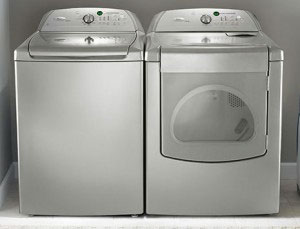
washeanddryerAppliances are a great thing that makes our lives easier, but when they break down, they can get very expensive to replace. Instead of just hoping for the best and wishing that your washer and dryer last for a long time, there are things you can do to extend the lifespan of your devices. This sort of home warranty will also help you keep your appliances from damaging your home.

First, don’t overuse the appliances. They are great for washing and drying your clothes, but if you’re using them constantly, overdrying your clothes, or doing dozens of smaller loads of laundry instead of just one larger one, you are wasting energy and wasting the life of your appliance. Try to only dry as long as the clothes need to come out without being wet, or even take them out when they are still slightly damp and allow them to air dry. This will save energy and help you preserve the dryer. A moisture sensor is another way to achieve this, if you are shopping for a new dryer. Check to see if you can find one that offers a moisture sensor as a way to get a better dry and save your home warranty.
Another way to ensure the longevity of your appliances and your home warranty is to clean them out regularly. Clean the attachments, dispensers, in and around the washer and dryer on a regular basis. While this may be somewhat difficult to do, it’s an important step to keeping your appliances ready.
Reading the manual probably isn’t your idea of a great time (just like reading through your home warranty), but if you take a few minutes to read what it says, you can identify things that you may not have known that will keep it from getting damaged in the long run.
If you don’t have small children who could accidentally end up inside the dryer, open the door just a little after you do a load in the washer so it can dry out. This can help you keep the drum dry, and help you avoid mold or other undesirable things that can build up when it’s left wet all the time.
You’ve heard it before, but it’s important to be sure that you also clean out the screens so they don’t have lint build up inside of them. For your own protection (and, again, for a mini home warranty as well) you want to avoid letting the screens get lint build up that can be flammable when it’s in the vicinity of the hot dryer. Another way to avoid fires is also to check the vents on your dryer. You don’t want to have the vent system clogged with debris, animals, lint, or other things that can catch fire and cause your house to catch fire.
Finally, if you’re planning a vacation, be sure that the washer and dryer are off and will not be running while you’re gone. That way you won’t come to home to find a flooded house, or the charred ashes of your home because the appliances caused problems while you were gone.
There are many ways that you can extend the life of your washer and dryer, avoiding problems at home and avoiding the expense of having to buy new ones.

geenhouseEveryone is looking to save on their energy bills. With energy costs climbing each year, finding ways to create home energy efficiency may be worth your time. There are many simple things you can do to cut down on home energy costs. If you plan to own your home for a long time, there are also some bigger investments you can make to help your home become energy efficient over the long-term.
One of the easiest things you can do to conserve energy in your home is to replace your incandescent light bulbs with CFL bulbs or LED lights. While CFL bulbs and LED lighting is generally more expensive, they last longer and are more efficient in their use of energy. Following this simple step can go a long way in creating home energy efficiency.
Another thing you can do to make your home more energy efficient is to seal any leaks in your home. Some common places you want to check for leaks are floors, windows, doors, duct systems, attics, and fireplaces. Sealing any leaks that may be causing unwanted air flow in and out of your home is an excellent way to save energy.
In addition to sealing any leaks in your home, if you have single-pane windows, you may want to consider installing windows that have double panes. Single pane windows allow hot and cool air to escape from your home, causing your heating and cooling systems to work over time. This costs you more money and wastes energy. Installing double pane windows can fix this problem and help you on your path toward home energy efficiency.
Another relatively inexpensive thing you can do to save energy in your home is to install a programmable thermostat. Programmable thermostats allow you to choose the temperature of your home at any time of the day and program the time you want the temperature to change. For example, during the winter you can always add an extra blanket or add an extra layer of clothes to stay warm while you sleep. This being the case, you may want to have the heat at a higher temperature during the day and a lower temperature at night. Having a programmable thermostat will enable you to automatically set the temperature to lower at night, cutting down on the energy you use and helping you reach your goal of home energy efficiency.
If you own your home and are planning to stay there for a long time, you may want to consider putting solar panels on your home. Solar panels cost a lot to install, but in the long-run, they will save a lot of energy and money. And with the advancement of clean energy technology, solar panels could possibly help to make your home energy-self-sufficient some day.
Home energy efficiency is a wonderful goal to work toward. It not only helps the environment but it also saves you money. There are so many small things you can do to create an energy efficient environment in your home—replacing light bulbs, sealing leaks, installing double-paned windows, or using a programmable thermostat. And, of course, the bigger plans like installing solar panels will also add to the efficient use of energy in your home. From small to big, there is something everyone can do to conserve energy.

Having a water heater that is in good working condition is an important part of any home. Even if you have a home owner warranty plan, you want to make sure that you take good care of your water heater. While your water heater is probably covered under your home warranty plan, most warranty plans only cover the normal wear and tear of appliances and systems in your home. That means that if you are not taking good care of your water heater, it may not be covered under your plan. Following are some tips for extending the life of your water heater so that if anything does go wrong, you know it will be covered under your home owner warranty.

The first tip is to complete your water heater’s regular maintenance. This is typically on a yearly basis and includes draining your water heater completely and flushing out any build-up. This build-up can lower the efficiency of your water heater, making it work harder to do its job. Your water heater will wear out faster if it has to compensate for build-up. You can drain and flush the water heater on your own or you can call a company that services water heaters to come out and do the yearly maintenance for you. The most important thing is that you get it done in order to make sure that your water heater’s life is extended and in the case the heater does break down, it will be covered under your warranty plan.

Another simple thing you can do to extend the life of your water heater and, thus have full coverage under your home owner warranty, is to check the pressure-relief valve each year and replace it if necessary. A pressure-relief valve that is broken can cause a lot of problems, and may even cause your water heater to explode. The pressure-relief valve is easy to check. It is located on the side or on the top of your water heater. To check it, merely open the valve. If water comes out, the valve is fine and it does not need to be replaced. (Make sure you have a bucket handy to catch any water that may be released.) If no water comes out of the valve, this is a sign that it needs to be replaced. You can replace it yourself or call a water heater service company to do the job.

One last tip to extend the life of your water heater is to replace your water heater’s anode rod at least every 4 years. When metal is exposed to water for a long period of time, rust inevitably forms. Since your water heater is metal and has water sitting in it and rushing through it all day, all year, it goes without saying that rust will form. This is where your water heater’s anode rod comes in. The anode rod attracts the rust that forms in your water heater, protecting the rest of the water heater from corrosion. Replacing this rod periodically will protect your water heater, extend its life, and ensure its coverage under your home owner warranty.

Doing regular maintenance, checking the pressure-relief valve, and replacing the anode rod every few years will do a lot to keep your water heater running in excellent condition. Then, in the case that your water heater does break down and needs to be repaired or replaced, you can be assured that your home owners warranty plan will cover the cost.

insulationThe leaves are beginning to fall, and you’re getting ready to head inside and “hibernate” for the winter. Your home is designed to keep you warm, but it’s important to complete the right home maintenance in order to winterize it and have it ready for the cold ahead. Here are a few of the most important things you can do to get your home ready for the cold season.

First, clean out your gutters. If you have trees or other things that can get debris in your gutters, they can quickly become clogged and make it hard for the gutters to function properly. They need to be clear in order to keep the water from snow and rain away from your home with the effective gutter system. You can hire a professional for this home maintenance, or just take your gloves and a ladder and start removing all the debris. Be sure to check the downspouts as well so they’re not clogged.
If you see any leaks around your house, now is the time to fix them. Look for inside and outside leaks, holes in the wall or roof, and other areas where water could come in. If you’re not sure how to fix your leaks, you can call someone to come and check it out. Be sure to thoroughly check the house so you find all of them—fixing them before winter is much easier than doing it when you have water or snow leaking into the house in the middle of a blizzard.
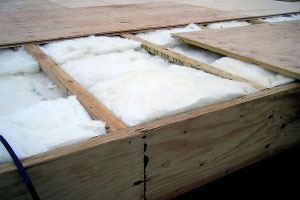
Add some extra insulation to your home to seal in the heat and keep the cold out. Places where this is most effective include the attic, basement, and other spots where your house loses the most air. Even though it costs a little bit of money up front for this home maintenance, you will probably notice significant savings on your heating bills because your house will seal in the heat that you do use instead of letting it escape.
It’s also a good idea to get your furnace or other heating device checked before you need to use it. In the off-season, before the winter hits, you may be able to find savings or deals on home maintenance for getting a quick furnace check so you can head off any problems before they become too much to deal with. At the same time, check your heating ducts to be sure they’re not leaking so you don’t lose any of the heat from your system before it even reaches the intended areas that you want to keep warm in your home.
If you have storm windows instead of screens, this is a good time to replace them. They can provide an extra layer of protection between your home and the outside, and just like the insulation, seal in the heat that is in your home while keeping the cold air from seeping inside. Drafty windows can be a sure-fire way to lose money and make your house chilly in the winter months.
The best time to begin thinking about winter is before it arrives. Getting your house ready with the right home maintenance is an easy way to prepare for the cold so you can stay toasty, avoid costly repairs, and save money.

geenhouseWith the rise of gas prices, and the increasing size of utility bills today, families are always looking for ways to cut costs and save money. There are many ways to do it by living just a little more “green”, and many home appliances that can help you find ways to reduce those monthly bills. You don’t need to move to a smaller house, you just need to be thinking about saving money by doing a few smart things each day.
First, whenever you are purchasing any appliances, be sure that they have an Energy Star rating. This includes all your home appliances, including the refrigerator, washer, dryer, furnaces, water heaters, and everything else. The Energy Star rating indicates that the appliance uses energy in an efficient way so you only have to use a fraction of the energy to power the appliance than you would with non-rated ones. Generally these appliances are priced competitively, especially when you consider the long-term savings you can achieve by using them. You will earn a lot of money back by not paying so much on your monthly bills.
Another great appliance that helps you save money is the programmable thermostat. If you’re leaving the heat or air conditioning on all the time because you don’t want to have to come home to a cold or hot house, or you don’t want to wake up in the morning without the heat, you need a programmable thermostat. These home appliances can allow you to set the time that the heat or cold comes on so it’s not on when you’re away or asleep, then it kicks on just in time for you to come home. It can also keep the house at a constant temperature that you set in advance, so you know it won’t ever get too hot or too cold.
Low flow showerheads may not seem like home appliances, but they are a simple way that you can save money. These showerheads will use less water than their high-flow counterparts, which can cut your monthly water bills significantly without wasting so much water. In addition to being wallet-friendly, it’s earth-friendly too.
Your water heater is another place where you may be losing money. If it’s not insulated, the heat that it generates to keep the water warm could be lost in your cold basement or closet, and the water heater will have to continuously be heating the same water because it keeps losing the heat. These home appliances are critical to your money-saving green efforts.
You can also do little things with your home appliance, such as washing in cold water instead of hot water, hand washing large pots and pans instead of packing them in the dishwasher, and putting as much as possible into each load of laundry or into the dishwasher whenever you are going to run it.
You have dozens of home appliances around the house that can contribute to green efforts that will save energy and save you money, or without doing the right things, they could do the opposite and cost you a lot of money. Be green, and save money, with these tips.

house
Homeowners that live in moderate climates may not realize the importance of house repairs as those who experience extreme temperatures. When a house is left exposed to the elements, it can experience a plethora of problems that could have easily been avoided. A house warranty will cover items that have been properly cared for and usually cover the issues of the manufacture or the issues of age.
If your house is in an area that has extreme temperatures, hot or cold, or both, you know the importance of taking care of your house. A house warranty can be of great benefit when the problems start piling up due to the extreme temperatures. The structure of the house can be compromised when there is damage done to the outside of the house. In extreme heat, the foundation cracking can be one of the major problems that the homeowner will face. During the drought and heat months of summer, the homeowner can water their house. It may sound silly but regular watering of the foundation can prevent the cracking that occurs when the soil is dry. Dry soil causes the foundation materials to also dry out and crack. When the foundation of the house cracks, the entire house is compromised. If you are inside the house and begin to see cracks in the walls or doors won’t properly close, you may have a foundation issue.
In areas of extreme cold, the problems are just as cumbersome and the house warranty is just as important. In cold weather, your house will be more difficult to keep warm. If the house isn’t warm, pipes can freeze and burst. Before the first freeze in your area, be sure to cover your outside faucets and keep them covered. This will help the pipes stay warmer and hopefully not crack. When a pipe cracks, the water comes out. You will notice a lack of water pressure and you may even notice the water pooling outside. If this water gets on an area such as a driveway or sidewalk and freezes, it can be dangerous to anyone coming on your property. You may not even realize how icy your property is until after someone has fallen. The pipes can break in the cold weather and fixing these frozen pipes can be very difficult for any repairman. They may not be able to get under the ground to fix the pipe because the ground is frozen.
Just as with your health, your home needs preventative care. When something does break or need replacing, a house warranty can be a very useful policy to hold. One of the best things you can do for your home is try your best to prevent the problems from occurring the first place. When you are able to care for your property and keep it in top-notch condition, the house warranty is like an insurance policy. It will help you sleep at night to know the major appliances and systems of your home are covered but when they break, it will still cause a hassle. You can help yourself avoid that hassle by preventing the problems to the best of your ability.