New Online Options Available Now Learn More

Order Warranty

Author: Platinum Team

kitchenThe kitchen is the heart of the home.  Many people purchase homes because of how much they love the look of the kitchen or because they intend to do a complete overhaul of the kitchen and make it their own.

If you are making any changes to your kitchen and are planning to purchase a new cooking range or stovetop, you will soon find out that there are many choices.  But, how do you know what is best for you?  You want something that will last the test of time and that will be able to cook the best meals possible for you and your family.
The first consideration when choosing a new cooking range is space.  First and foremost, you need to measure how much space you have and then measure again.  And maybe, measure one more time.  The last thing you want is to order a brand new cooking range and then find out it does not fit properly.
Next, you will want to consider the style of your home and other appliances in your kitchen.  If you are only changing your cooking range, you will probably want to try to match the existing style of appliances.  If you are changing all of your appliances, then choose a style and finish that best fits you and your home style.
One important consideration is how much or often you cook.   If you have a big family to feed and love to elaborate meals often, you may want a stove with more burners.  If you have the room, consider purchasing a cooking range that has six or more burners instead of the traditional four so that you will be able to create your culinary masterpieces any day of the week.  If you do not cook often or only cook for you or your spouse, you may not need an elaborate cooking range and may be able to get by just fine with fewer burners.  There are many different configurations to suit any preference or cooking style.
Next, it will be necessary to determine if you prefer gas or electric.  The debate tends to polarize people as many people often have strong preferences. The Nest discusses the differences between the two options, "You may not have a choice with this one: If you don’t have access to a gas line, an electric range is your only option; if you don’t have a 220-volt outlet, you’ll want to stick with gas.
How to decide? Consider the type of cooking you do most.  Baking, low-maintenance cooking: Pros say electric ranges are best for baking because they allow for a more even oven temperature. The drawback: Electric coils stay hot after being turned off, so watch out!  Searing, boiling, frying: True foodies often prefer gas cooktops because they allow for more control of the heat. The flames add to the poetry of cooking, and, more important, the burner quickly cools once it’s turned off."
When you measure and consider your personal style and preferences, it will help you narrow the immense field of cooking ranges or stovetops available and find the perfect one for you and your home.
Contact us for more information /contact/ or by calling 800.871.2339

poolThe birds are chirping, the sun is shining bright and the air is getting warmer.  It is almost time to break out the swimsuits, sunscreen and towels and enjoy swimming season.  But before you hop in feet first, you should do some things to prepare your pool so that it is safe and enjoyable for swimming.

Break out all of your cleaning supplies.  If you have a pool cover, your pool will hopefully not be particularly dirty.  But, if you do not have a cover and have taken some time off from keeping it clean, you will most likely have a good amount of debris to clean out.  Skim the pool to remove debris and do an assessment to see if there is an accumulation of algae.
Sweep the pool and vacuum it to get rid of anything that may have settled on the floor of the pool.  With all of the dirt and debris removed, you will be able to start really preparing your pool for swimming.
If your pool is low on water, now is the time to add water.  Next, check your pool's filter and backwash as needed.
AZCentral discusses how important it is to check your pool's filter, "If you have a sand filter, you need to backwash until the water runs clear. If you have a DE filter, it needs to be taken apart and cleaned at least twice yearly (this can be more or less frequent depending on the filter size).  A dirty filter keeps your water from reflecting a beautiful sparkle, and it also makes the pump work harder, costing more to run."
One of the most important things you can do is test the water's chemical levels.  If any levels are off, it is important to fix the chemical levels in the pool.  Chemical test kits are relatively inexpensive and easy to find so do not skip this important step.
AZCentral notes the importance of testing chemicals and how important it is to properly maintain your pool, "Correct chemical levels increase the longevity of your pool finishes. Over time, an imbalance in chemicals can lead to high levels of calcium and acids. If this happens, you may need to drain your pool either partially or completely to help dilute the concentration and get back on track."
Once you know your pool is clean and the chemical levels are safe, your pool is ready for swimming and summer fun!
Contact us for more information /contact/ or by calling 800.871.2339

livingroomWhether you have just purchased a new home that needs a renovation or want to renovate your existing home, it can be a big undertaking.  When you invest additional money in your home, you want it to be a worthwhile investment that not only aesthetically improves that home but improves the home's worth.    You want a remodel to add comfort and style, convenience and interest.  There are some trends in home remodel design for 2014 that will not only add the upgrades you need but will help your home stay on trend and beautiful.
1.  Classic, Timeless Kitchen Cabinetry with a Modern Twist
Rustic is out and modern is in when it comes to kitchen design.  For 2014, rather than rustic wood tones, white or gray cabinetry is in.  It is clean, classic and timeless; a design that will pay off for years to come as it can go with almost any decor or personal style and never goes out of fashion.
2.  Brass is Back
For a long time, every homeowner was trying to eliminate every trace of a brass accent or fixture.  It was so out of fashion and much to the shock of many, it is back....with a bang!  It is no longer a faux pas to decorate with brass, it is actually quite fashionable!  Realtor discusses the new brass look for homes in 2014, "Brass made a comeback at home-design and remodeling conventions this year and the trend is expected to pick up in 2014. While brass is nothing new, it has gotten a facelift. Highly polished, bright brass hardware and lighting is gone; rustic, dull and hammered brass is in. The new looks will be incorporated into kitchen and bathroom hardware as well as lighting and door hardware throughout the house."
3.  Resort-Like Bathrooms
Continuing with the modern, light, airy, trend, bathroom remodels are no exception.  The trend for 2014 bathroom remodels will move away from traditional bathrooms and move toward more of a resort or spa-like feel.  Zen and relaxing touches will update your bathroom to stay on trend.  Trulia discusses how bathroom remodels will look for 2014, "This is another trend that deviates from the nostalgia of what’s vintage to focus on the modern. Instead of claw-foot tubs, 2014 will feature resort-style bathrooms that have amenities such as large walk-in showers with multiple shower heads, heated floors or towel racks, and jetted bathtubs. Glass tiles will be a popular feature, as well as neutral and cool colors like ash gray, light blue and off-white."
4.  Pop of Color
When you remodel your home to stay on trend with the modern/white look, you will want to add pops of color for visual interest and personal style.  Pantone's color of the year is Radiant Orchid and that will be a popular color in home design.  Additionally, jewel tones are very in right now and will be seen heavily in new home design and remodeling.   You do not have to go all out and make a whole room purple.  Choose your accents wisely and infuse a room with a pop of color that fits with your home design and color pattern.
Contact us for more information /contact/ or by calling 800.871.2339

Spring Cleaning with Platinum Home Warranty

HVACSpring is here! And even though Arizona is notorious for mild winter conditions, the hustle and bustle of the holiday season, still makes it easy to neglect the maintenance of your home.   Now as temperatures begin to warm up, it is time to start thinking about doing some things to prepare for the warmer temperatures.  It is important to perform some basic spring home maintenance tasks every year so that your house remains in top working order and you can avoid costly and frustrating home repairs that only arise after periods of neglect.

One way to start your spring cleaning projects is to schedule your free 20 point inspection with Platinum Home Warranty during the months of March and April.  This 20 point inspection (see the coverage points below) serves as a preseason check to ensure your home systems are up to par for the sweltering Arizona summer.  Platinum tries to address any issues foreseen upfront so you have a working system when you need it the most, but it also provides the chance to educate clients about their system and about regular required maintenance.  For most people, maintenance on their vehicle such as oil changes is a common and understood practice but for HVAC systems we find that is quite the opposite. Most homeowners have no idea it is imperative to have your coils cleaned regularly to ensure proper operation of the system.  If our service technician finds evidence of a maintenance issue, we simply inform and educate our clients so that you can have the needed maintenance done as so it does not void the warranty.  We really want our customers to understand the importance of maintenance and the overall effect it has on your systems which is why these checkups are another great opportunity to educate customers and help you get the most out of the warranty.
20 Point HVAC Inspection Checklist
1. Check thermostat calibration
2. Check air filters (leave new one behind)
3. Check and adjust air flow
4. Check and tighten all electrical connections
5. Inspect evaporator coil when accessible
6. Check volt and amp draw on motors
7. Check refrigeration charge
8. Lubricate all moving parts
9. Check start and run caps
10. Visually inspect system for minor refrigeration leaks where accessible
11. Check time delay relay
12. Check contactors
13. Check main electrical whip
14. Check compressor terminals
15. Check disconnect box and fuses
16. Check air conditioner power breaker
17. Check and adjust blower components
18. Check and adjust burners
19. Inspect fan blade
20. Test cycle air conditioner for proper operation
A home warranty plan will allow your buyer to relax, knowing all the comforts inside and around their home are being backed by a warranty they can trust and service they can depend on. We know a home is personal, so at Platinum we take the needs of our clients personally. Platinum’s core commitment to excellence has designated this boutique local company to become the premiere warranty company in Arizona. Help your clients avoid the surprise of expensive repair bills by recommending someone you trust.  Contact us for more information at  platinumhw.com or call 800.871.2339.


roof
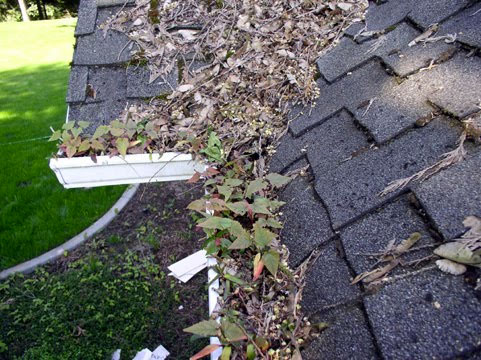
The first thing you will want to do to maintain your home this spring is head outdoors. You will want to take a good long look at the exterior of your home, and not just by walking around. Get out a ladder and look at the roof. It is important to inspect your roof for any damage that may have occurred during the cold months of adverse weather. Also, while you are up on your ladder, check out the gutters as they tend to collect debris and leaves as the weather changes. Any clogs or build ups in your gutters can lead to damage for your home as water gets backed up. Give those gutters a thorough cleaning so that your house will be ready for the months to come. Next, you will want to examine the rest of the exterior of your home. Do you see any damage that needs repair or window or door frames that have leaks or cracks? These types of things should be repaired as quickly as possible as they make your home less energy efficient and will cost more on your monthly utility bills.
Once you have thoroughly examined and repaired your home, it is time to look around your yard. Have things become overgrown and unkempt? Now is the time to trim back all the bushes and cut the grass so that it will grow in more nicely in warmer temperatures. The leaves have probably begun to pile up by now, so break out the rake and get to work. Get rid of all those piles of leaves so that your yard has room to breathe and grow now.
Now you can head indoors and take a look around. One important thing to do that many people forget is to change is air filters. Air filters should be changed often so that your HVAC system can continue to run efficiently and help keep heating and cooling costs down as well as properly heat and cool your home. Another house item that often takes a beating during the winter months is the refrigerator. It is used often for holiday entertaining and because people are just staying home more during the winter. Take the time to thoroughly clean your refrigerator and vacuum the refrigerator coils as they tend to collect dust. Lastly, it is important to check your smoke detector batteries often to ensure they are working correctly. Smoke detectors save lives every day and it is good to check them frequently to protect you and your family. By doing these things, you can keep your house running properly and avoid costly repairs.

You are sure to get homeowners insurance to protect yourself in the event of a major problem, but homeowners insurance does not necessarily cover all of the things you may think it does. What about the gaps in homeowners insurance? If you have just put a lot of money into building a home, the last thing you want is to have something break and have a major out of pocket expense. Many people purchase a home warranty when they buy an existing home, but what about a new build? Is it worth it? And, what is really covered with a home warranty?

Realtor.com discusses why everyone should have a home warranty, "A home warranty is a service contract that covers repairs and the replacement of appliances and other systems in your home. A home warranty differs from a general homeowner's insurance policy in that it covers repairs and replacement of failed appliances or systems. Homeowner's insurance covers your home and its contents from hazards such as loss, theft, and destruction.

Home warranty plans can differ quite significantly, but most cover things such as major appliances, heating and cooling systems, and plumbing and electrical systems. The more you are prepared to pay for a plan, the more likely it is that additional items are covered." Depending on who built your home and your contract, some things may be covered, but some things may not be like your refrigerator. And you may think, "But, my refrigerator is brand new, it should be fine." While this may be true, sometimes, things happen and appliances or other things break.

MSN Real Estate points out why a home warranty is a good idea, even for new construction or new appliances, "Knowing the average life span of an appliance can help determine if buying a home warranty is a good deal. Even with new appliances or home systems, the original equipment manufacturer warranties can be less than a year. Today's appliances and systems have a lot of technology packed into them, meaning a lot more things can break." A home warranty will provide peace of mind that your newly built home will be protected in the event of any problem. And with that stress gone, you can focus on what is most important, enjoying your brand new home!

money
Homeowners that value their property understand how home maintenance helps to protect their investments. Maintaining your home might consist of occasionally making smaller repairs, or it could necessitate more costly renovations. Every component inside of your home must be properly maintained, serviced and repaired when needed so that the value of your house does not diminish. Managing these costs is simple and easy when you establish your finances, build strong relationships with your preferred contractors and take the time needed to analyze each situation objectively.
When it comes to home maintenance, there are both one time and recurring costs. Expenses such as energy, trash, water and sewer might be paid on a monthly or quarterly basis. Landscaping and weatherization costs can fluctuate depending on region. Homes with pools can be sold for a higher price, but they are also more expensive to maintain. One time expenses are more substantial, but they also occur less frequently.
While you can use calculators and other tools to estimate home repair bills, there will always be variables. Consider building a structured timeline in which repairs will be made, so that you can put aside a set amount of money on a regular basis. For example, a homeowner that needs to replace both the roof and water heater in his or her home can calculate the total in advance and plan to have the repairs made a few months apart. While one set of repairs is being made, the homeowner can be saving for the other.
Any home that comes with a warranty also has lower home maintenance costs, on average. Major structural repairs and home servicing expenses can be eliminated when there is a warranty in place. Homeowners insurance covers repairs that occur as a result of acts of nature, vandalism and burglary in most cases.
Every appliance and accessory in the home will need to be replaced at some point. Scheduling regular servicing can help to extend the life of your appliances, and some maintenance services can even be performed by the homeowner. Checking your hot water heater, changing the air filter and making minor repairs to sinks and faucets will not only help your household to run more efficiently, it will also save you money. Read all repair manuals and service guides that come with your home appliances, and keep careful track of past servicing dates.
Occasionally, homeowners encounter home maintenance costs that throw them through a loop. If you have recently found out that your home has a major flaw, you should consider all of your financing options. A personal loan or mortgage refinancing can provide you with exactly the amount of money needed for repairs without putting a strain on your budget.
Regular home maintenance goes hand in hand with responsible home ownership. The better that you maintain your property, the more money you can expect to receive should you ever choose to sell your home. If you act fast when you learn that a new repair is needed, your home will retain its full value. Make sure that your family has a safe and secure to reside by learning the ins and outs of home repair cost management.

calculator-
Becoming a homeowner is an exciting prospect, but it pays to calculate all anticipated expenses well in advance. In addition to homeowners insurance and real estate taxes, home maintenance is a cost that can potentially cause your budget to increase. In general, older homes require more maintenance, especially if they have not recently been renovated. Newer houses sometimes come with warranties, but all home repair related expenses aren’t covered. Determine how much you will need to spend to properly maintain your home by taking inventory of every room and mechanical system as well as the exterior.
Siding replacement, plumbing repairs, and electrical maintenance costs quickly add up when they aren’t estimated in advance. Newer homes with efficient HVAC systems are almost guaranteed to lower energy costs, but they can still break down unexpectedly. Home equipment typically comes with a warranty, and homeowners often have the option of extending these warranties out for many years. Service costs may be applicable, even if the home equipment being repaired has a warranty.
Many types of home repairs are imminent, while others spring up unexpectedly. Looking for signs of damage and wear and tear to the home will give you a better idea of what to expect in the coming months. Check the basement for condensation and moisture, and inspect the attic for holes and termite damage. Sinks that don’t drain properly might be clogged, faulty or might be caused by septic tank issues. Don’t ignore the signs of everyday wear to your home as these will cause complications when preparing your home repair budget.
A home inspection can reveal areas of the home that will soon need to be repaired. Professional contractors can also come out to your home, prepare estimates and help you to come up with a plan for taking care of your home maintenance needs. Some homeowners are capable of performing minor home repairs on their own, but others would much rather outsource their home repair project out to licensed contractors. It is recommended that you review how much in home maintenance costs you can expect to pay per year prior to buying a home; however, it is perfectly okay to calculate home repairs no matter how long you have been in your home.
Estimating home maintenance expenses prior to closing on the sale of a house will give you the opportunity to both negotiate the sale price of the home, and possibly receive extra funds for repairs. Significant changes to a home, including remodeling or building an extension will also factor into home repair costs. Cost of living, and the age and value of the home can significantly impact how homeowners calculate expenses.
Experienced homeowners usually have an easier time accurately estimating their home maintenance expenses. By contrast, a first time homeowner might be genuinely surprised after learning that home repair costs are ongoing. Whether your mortgage is paid in full or if you have just recently closed, as long as your name is on the deed you will be responsible for maintenance. Sometimes making repairs to the home can be aggravating when new issues are continuously identified. Avoid being shocked and burdened by home repair fees by preparing yourself for future repair projects.

Why I Choose Platinum Home Warranty By Neil Brooks

headshot
With hundreds of transactions under my belt, I've seen all kinds of crazy things happen to homes, which have caused issues with my clients...and as any REALTOR knows, when your clients have issues, they become YOUR issues!
With this in mind, it's extremely important for you to have a relationship with your home warranty company...one you can rely on when you know what hits the fan with your clients…not only for your clients well being, but to reduce your own liability.
As a HomeSmart agent, you're in the unique position to be aligned with a real estate company (HomeSmart) that OWNS ITS OWN HOME WARRANTY COMPANY! That's right, Platinum Home Warranty is a sister company of HomeSmart, and they are there for you and your client.
I personally recommend them to ALL of my clients because their service is not only top notch, but extremely professional.
I make sure that each of my listings has the FREE listing coverage…something that has made me look like a ‘real estate god’ to my clients, time and time again.
I'm also excited about the new Pre-Certified Existing Home certification for my listings, which will give me a competitive edge over my competition with my listings!

homesWhen a new home purchase price is set, certain factors can increase or decrease its value. Features such as fireplaces, pools and finished basements add to the overall beauty of a home; however, these immunities come at a cost. Wood and cool burning fireplaces must be serviced and cleaned, pools must be chemically treated and basements are prone to water damage. Home builders, realtors and sellers know that home warranties are an attractive incentive for buyers, which is why they frequently offer them.
A lot of new home buyers were formerly renters. It is easy to overlook how expensive home maintenance is, especially when you have never maintained a property over an extended period of time. Previous homeowners might look to purchase a new home because they want to experience maintenance free living, but this is only possible to a certain degree. New home warranties are prepackaged service plans that enable homeowners to select the amount of coverage they need. For instance, some homeowners might only need a home warranty that covers electrical, plumbing, heating and cooling because they already have a comprehensive appliance warranty.
There are many new home buyers that specifically seek out homes that have warranties. Just because a home has been recently constructed doesn’t mean that it is perfect. Defects can remain unknown even after an inspection has been performed, and it is not always possible to prove that the seller is responsible. While new home buyers are afforded a number of state and federal protections, getting compensated for home repairs in a timely manner is another story. Home warranties can be purchased as a way to offset these costs, which can be of great benefit if you have just closed on a home.
Many new home shoppers prefer home warranties because they help to open up new opportunities. Buying a home that has lower maintenance costs can allow you to buy a more expensive home in a more desirable location. You might even be able to take a vacation or make improvements to your home more easily. Homeowners know that they will eventually need to have their stoves, refrigerators, dishwashers, dryers, washers and water pumps replaced, even if it is many years down the road. They also realize that it will cost money to keep their appliances up and running in the meantime. Although homeowners can receive tax breaks on their home maintenance costs, they know that their finances have to be in good enough shape to afford these costs as they come up.
Well constructed new homes can stand the test of time, helping their owners to enjoy maintenance-free lifestyles. Since all of the appliances and systems were purchased and installed at the same time, there is a good possibility that they will need to be replaced at around the same time. Not all homeowners are independently wealthy, and major repairs can place a huge strain on the finances of the average American family. With a mortgage and other household expenses to pay, a home warranty will aid you in tracking your money down to the last dollar. Discover all of your options by comparing different home warranties available on the market.