New Online Options Available Now Learn More

Order Warranty

Author: Platinum Team

lawncontrolAs a homeowner, you have a lot of home maintenance issues that need to be dealt with that you probably never had to worry about as a renter. One of those things is pest control and knowing whether you need to do it, how often, and how much. Many homeowners understand that it needs to be done, but are sometimes unsure of how often to spray for pests and how much they should use. A good rule of thumb is that if you don’t know, don’t do it. There are pest control professionals that can answer those questions for you so that you don’t end up with a dangerous situation on your hands. The following are a few guidelines that might help you to determine how often to spray for pests.
The first guideline of pest control home maintenance is to understand what pests you are dealing with. For example, if you have an ant infestation, one application should do the trick. If you notice more ants a few years later, you can reapply that pest control at that time. However, if you are dealing with a more aggressive pest, such as termites, you might have to get just as aggressive and apply various and frequent treatments until they are completely gone. One important thing to remember is that if the pest is destroying your home or your family, the best thing to do is get it taken care of immediately, no matter what it is.
The next guideline of pest control home maintenance is to really understand your environment. Typically, warmer climates call for more frequent pest control services. The area you live in could determine the amount of treatments you get as well. For example, if you are surrounded by the woods, or are near water, you may have more pests than if you live in the middle of the city. That would probably be a good indication that you will need more frequent pest control treatments.
Another home maintenance guideline that will help you determine how often to have your home sprayed for pests is how much the little pests really bother you. Of course, if there is a real infestation, very frequent treatments should be applied. On the other hand, bimonthly or quarterly pest control treatments might be sufficient if you only see an occasional spider or ant. If that occasional bug really bothers you, you could increase treatments to monthly instead.
As you can see, proper home maintenance is manageable with the right knowledge about pest control applications. Knowing how often to apply treatments and how many to have done could be tricky to decide, but by knowing what pests you’re dealing with, understanding your environment, and honestly gauging what you can handle, you will have a better idea of how often you should spray for pests. If you have considered each of the guidelines and are still unsure, you may want to speak to someone who sprays for pests professionally and get their opinion on your situation. One thing to remember, however, is that when the pests are gone, you will be glad you got it all figured out.

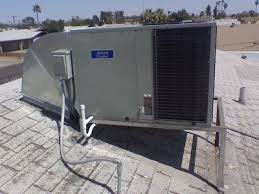
airconditionerIf you are a first time homeowner and haven't had to deal with an home maintenance before, you may be wondering when you should replace the air conditioner. The good news is that there are some tips you can follow from professionals of home maintenance in Phoenix that will walk you through what to consider. The following tips will get you started.

The first thing you can look at when considering whether you should replace your air conditioner is how many repairs you are getting on it. If the repair costs are adding up, it could benefit you more to simply replace the unit next time, rather than having it fixed again. If your unit is old, or if it works overtime, it may just be worn out and might not be quite as efficient as it use to be. If you choose to keep the old unit, it could also cost you more in energy bills to keep it running. With a new air conditioner, you could end up saving on not only costs for home maintenance in Phoenix, but monthly utility bills as well.
The next thing you could take a look at when you are choosing whether to have a professional of home maintenance in Phoenix come replace your air conditioner or not, is if your unit makes a lot of noise. Noisy air conditioners could be an indication that something is broken inside or that the unit was not the proper size in the first place. Having a professional come to take a look at it could be a good idea because then you will know better whether you should just get a new unit installed.
Something else that you can consider in deciding to replace your air conditioner is whether it truly brings you the comfort you are looking for. New air conditioners will probably provide you with the amount of air that is needed to fill up a room. There may not be warm spots or times when the room is not cool because a new unit will be in the best condition. This allows you to have the most comfort in your home on those extremely hot days.
In thinking of the home maintenance in Phoenix that you have done on your air conditioner, you can consider whether your old unit is reliable. A new unit should keep your home the proper temperature at all times. It shouldn’t break down or turn off because it is running all day. A new unit will ensure that your home will stay cool so that you will not suffer health issues or discomfort.
As you can see, there are some things that you can start to take a look at so that you know whether or not you should replace your air conditioning unit. By considering the amount of repairs you pay for, listening for unnecessary noise, considering the comfort you experience, and thinking about how reliable your unit is, you will come to know whether replacing the air conditioner is best for your situation. A professional that does home maintenance in Phoenix should be able to help you make that decision as well. After you have your new unit, you can relax in the comfort of your home.

Stay Cool and Safe Around Your Pool This Summer
poolWhen you live in Arizona, you are going to be subject to temperatures that feel like you are living down in the Earth’s molten core. If you have lived in this state for several years, you know some of the best ways to stay cool during the blazing temperatures summer brings. Taking a daily dip in your pool is a great way to cool down, but is it always safe for children? Pool safety in Arizona is extremely important for young children, especially those that can’t swim. There are two things you can do to make sure you have a safe, but fun summer around the pool.
Set some rules
You may think that the only threat your pool brings to the children who play in it is a potential drowning situation. However, this is not the case. When children play in the pool, they naturally splash around, get in and out of the pool, and drip water all along the perimeter. This can be especially dangerous if children decide to get out and run and around when they are wet from being in the pool. Set some ground rules for people in your pool to strictly adhere to. Pool safety in Arizona can be enhanced if you set some rules like no running, no diving or doing back flips into the water, and paying attention to what others are doing around you in the pool.
Install a fence
While you want your children to be safe while they are out swimming, you also want the peace of mind that they are safe when you aren’t all out playing in the pool. If you have young children who can’t swim or regularly have friends over that aren’t comfortable around water, then a fence is your best defense against drowning. The numerous drowning fatalities that occur in Arizona every summer could significantly be reduced if more pools had fences. Pool safety in Arizona is not just about watching your kids while they are in the water; it’s about having a fence around the pool to protect them when you’re not there.
Although pool fences are not always pretty, they are well worth the investment. Depending on your budget, there are a myriad of different materials you can choose from to ensure that safety comes first at your house. Some common types of pool fence materials are wood, fiberglass, and metal. When your fence is constructed, make sure there are no wide gaps that a child could fit through. With a secure fence and some pool safety rules, pool safety in Arizona will be easier than you thought!

lightingFor most people, the summer brings warm weather and a chance to get away from the house and enjoy nature at its best. However, even though it might be incredibly tempting to spend all of your free time at the beach and ditching your house, the summer also presents a great opportunity for homeowners. Specific household chores are made nearly impossible with the unpredictable weather from the winter and spring seasons. With these five home maintenance tips you can keep your home in top-notch shape while still leaving yourself with plenty of time to get that golden tan.
Keeping Cool
Keeping cool in the warmer months of summer can be tricky and expensive. However, there is a quick fix and surprisingly helpful tip to help your home feel more inviting. By switching the blades of your ceiling fans, so the leading blade is tilted higher, you will produce more cool air being pushed down. As the fan rotates this breeze will keep the room frosty, enabling you to lower air-conditioning settings which can save you money on the energy bill.
Dryer Vent
The U.S. Fire Administration reports approximately 16,000 dryer fires annually. A dryer fire is the last thing you need, but can be avoided with these home maintenance tips. Luckily, fires can be evaded by using a vacuum, or even better a vent-cleaning brush kit, to clean out the dryer vent tubing. By removing as much lint and dust as possible, you can keep your family safe from dryer vent hazards.
Gutters
There is not a better time to clean your gutter than in the summer. Since debris can accumulate heavily in the fall and winter, there is chance of water damage in the following months. By using a ladder, not leaning against the gutter or electrical wires, you can easily clean out the debris and caked on dirt. You can even install wire mesh guards to help keep out debris for next season.
Power Washing
Home maintenance tips wouldn’t be complete without power washing. By renting a power washer and using a gentle detergent you can easily clean your houses exterior. This method gets rid of dirt, tree sap, bird droppings and anything else that is keeping your house from shining. Washing also helps you inspect the exterior of your house for any abnormalities.
Maintaining Your Deck
By checking under your deck for rotting, curling or cracked wood you can extend the life of your deck. Support structures should be in good shape and there should be no sign of an insect infestation. You may also think about re-sealing or staining your deck annually to improve longevity. Your deck provides a great place to entertain in the summer and combined with these other home maintenance tips; you can improve your summer lifestyle.

Staying Ahead With A Home Maintenance Calendar
caulkIf you've been a homeowner for any amount of time, there’s one thing you've probably come to realize...owning a home requires routine maintenance and upkeep that is your responsibility. While you may be familiar with the different maintenance tasks that your home demands, keeping up with them is another thing entirely! Life can be busy, and it’s not uncommon to neglect some of the regular upkeep that your home needs. Unfortunately, negligence in this area can lead to long-term problems for what may be one of your life’s greatest investments. One great idea for avoiding these problems is designing a home maintenance calendar.

How To Create Your Calendar
Even if you don’t regularly create calendars for work or personal tasks, home maintenance calendars can be simple to design and easy to implement. Any home maintenance calendar starts with answering a few simple questions:
• What things need to be maintained?
• When do they require maintenance throughout the year?
• Who is capable of doing the work?
• What budget is required to complete the job?
Initially, just write out all your answers on paper or a computer. Think of things that may only require attention once per year. These could include raking leaves, hooking up sprinkler systems, or clearing out gutters. Secondly, you’ll want to add items that require more regular attention. Examples include mowing the lawn, cleaning windows, and polishing wood floors. Make sure to determine a frequency for each task you identify, whether it’s weekly, monthly, or seasonally.
With a complete list of tasks and times, your home maintenance calendar should also indicate who is going to complete the work. If you have children or a spouse, you may want to divide different responsibilities. If a job requires contracting a professional, like with tree pruning, you should indicate that, too. Finally, it may be helpful to attach a budget to each task on the list. Some things may not incur costs, but jobs like mowing the lawn should indicate fuel expenses, for example.
Transferring To A Usable Format
Armed with a detailed list that includes frequency, budget, and who will complete each task, you are almost ready to go. But in order for a home maintenance calendar to be useful, it needs to be communicated in a meaningful format. Many people love using spreadsheets where they can organize their schedule, update it regularly, and print it out for others to see. Another popular choice is to enter the information into an online calendar or mobile app that is easily synced across the Internet. However you decide to communicate your maintenance calendar, you can move forward with the confidence that you’re home’s needs are already planned for!

poolHomeowners everywhere invest in swimming pools to help keep cool in the summer time and stay relaxed whenever they can be used. Swimming pools offer a convenient place for healthy family fun and socializing while entertaining guests. Whether someone is six or sixty, a pool can be a delightful place to spend time and enjoy the lifestyle only a pool can provide. Even the American Heart Association states that there are also several health benefits for your heart, lungs and blood circulation. However, all of these fantastic benefits that a pool offers are only available with a properly maintained pool and a pool warranty.
The attractiveness of owning a swimming pool is undeniable and is the reason that thousands of homeowners choose this investment. It not only increases the functionality of the entire home, but it can also seriously increase the value of the property. Pool warranties allow homeowners to maintain their costly investment. A pool warranty is usually not covered with homeowners insurance. Although homeowners insurance tends to cover major hazards like fire, hail damage and criminal damages, it doesn’t normally cover luxuries such as a pool. Therefore, electing a pool warranty is often the best idea for securing this financial venture.
Pool warranties can be included in home warranties as a special option. Depending on your needs a home warranty will only cost a few hundred dollars a year and is normally paid up front or in installments. Considering what kind of pool warranty to get may seem like an extra expense that isn’t worthwhile. However, having the swimming pool professionally installed may cost tens of thousands of dollars. Without a warranty, a catastrophic event, though unlikely, may completely ruin your initial investment. These warranties can buy you the peace of mind and relaxation that a pool is supposed to bring you in the first place.
Like all warranties, a warranty for your pool is supposed to protect against costly and unanticipated expenses. Many homeowners do not have an emergency fund at their disposal when these unforeseen repair bills start piling up. A warranty for your pool can act as a buffer to get you through that possible hard time. These warranties often provide certain assurances for people who aren’t handy or who don’t want to hunt for an honest contractor when they have a problem with their pool.
The benefits of owning a swimming pool are most definitely worth the initial costs of installing one. You can provide a wonderful and healthy way for your family members to keep themselves entertained. Considering a pool warranty may be the best investment to protect your pool and your wallet.

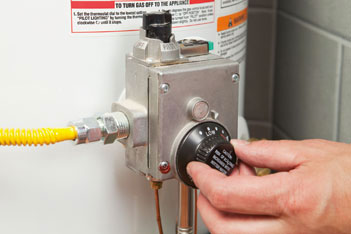
waterheaterOn a daily basis, homeowners do several tasks that require energy being supplied to their home. They could be cooking and using several different kitchen appliances or just relaxing and watching television; almost every in-home action requires some kind of power. Unfortunately, energy costs money and the more energy you consume, the more money you will spend. However, there are several ways to decrease your energy consumption and at the same time decreasing your energy bills. Upgrading to a better hot water heater can help you save money by needing less energy.

Just like many most of the appliances one uses around the house, water heaters and water heating technology has improved greatly in recent years. In fact, most of the time you are unable to purchase the same model to replace your worn out water heater because they aren’t being made anymore. Given that the live expectancy of a water heater is just over ten years, many innovations in the equipment can happen in that amount of time. Just as a newer vehicle would get better gas mileage, a newer hot water heater will be significantly more efficient than the previous generation.
This efficiency may cost more in your initial investment; however, over the life of the heater you can save substantial money. If a new water heater lasts only ten years and saves a minimum of one dollar from your monthly bill, it will save you $120 over its lifespan. Yet, given the amount of water heaters on the market, you can save much more than this simplified example. With this information in mind, you shouldn’t just consider the initial investment made, but the cost of operation. Depending on the type of heater you are replacing and the quality of the hot water heater you are replacing it with; you can save hundreds of dollars in the long run.
Although most of our energy bills are dedicated to heating and cooling our home, heating our water can also be a major factor. On average around a quarter of each dollar spent on energy goes to heating water. Most homeowners are not aware of this because water heaters are usually stored in a special area that is away from sight, unlike lights and appliances.
The average life expectancy of a properly maintained water heater is usually over a decade. This means that a homeowner needs to be committed to their decision and should feel comfortable with the hot water heater they choose. It may feel daunting, but the benefits will outweigh the investments and overtime these updated machines can save money when the energy bill comes in.

showerhead
Toilets
Of all the water using devices in your home, toilets consume the most water.  Using your toilet as a waste paper basket for tissues, dead bugs or other small trash can waste a lot of water when you flush the garbage down the toilet.  Water efficiency of toilets has evolved considerably in the last 20 yrs. After 1994, toilets started to become much more water efficient. Pre-1994 toilets would use 3.5 to 5 gallons each time they were flushed. Toilets available today can use as little as 1.30 gallons when flushed. Water companies may offer rebates for the installation of more efficient toilets.  If you have a leaky toilet you should get it fixed. Approximately 10 gallons of water is wasted each day, in the average American household, due to leaks
Faucets
Fixing leaky faucets can also help in increasing water efficiency in Phoenix.  Letting the water run while brushing your teeth can waste a lot of water.  It is necessary to brush your teeth, but you don’t need to have the water continually running while you do it.  After you wet your toothbrush, turn off the water. You can fill up a glass to rinse your mouth out when you are done. When shaving, fill up the sink with several inches of water.  You can save a lot of water by rinsing a razor in water in the sink, versus letting the water run while shaving.
Showers
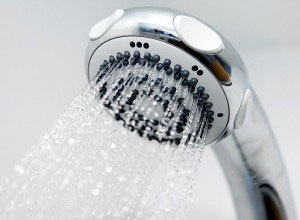
Taking a shower is typically much more water efficient than taking a bath. A bath may require the use of up to 70 gallons of water.  You can conserve even more by taking shorter showers.  A tip for reducing the amount of water used in the shower is to turn off the faucet while applying soap and shampoo. When you are ready to rinse off, turn the water back on.  Also, consider installing a newer, low-flow, showerhead. They can consume as little as 1.5 gallons of water per minute. Older showerheads may use 3 to 8 gallons per minute.
Washing machines  
Washing machines are another big water consuming appliance.  Before tossing something in the laundry basket, question if it really needs to be washed. A towel you have used once to dry off with after showering probably does not need to be washed. Many hotels are starting to leave signs in bathrooms requesting that customer help conserve water by re-using towels. Cutting down on the number of loads of laundry you do can help with increasing water efficiency in Phoenix.  It may also help decrease the amount of laundry you need to fold. When doing a load of laundry, it is important to select the correct load size.  You don’t want to wash a few pieces of clothes with a full machine of water. Newer front-loading washing machines tend to be much more water efficient that older ones.  Rebates may be available from your water company for installing higher efficiency washing machines.
Yards
A yard can consume a tremendous amount of water, particularly in the summer.  Some suggestions for increasing water efficiency in Phoenix are to pick more drought tolerant grasses, shrubs and plants. You may also want to consider practicing Xeriscaping.  This type of gardening involves the use of plants and grass that need less water.  Xeriscape gardens also require less effort to maintain.  When planting a garden, group plants according to their watering needs. This will help prevent wasting water on plants that don’t need it. Adding a layer of mulch around trees and plants can help conserve water by decreasing the evaporation of moisture.  Be sure your sprinklers are pointed towards the grass and plants and not at the sidewalks.  Try not to water when it is windy. The best time to water is in the evening or morning. There is less opportunity for water evaporation. When you are watering the lawn, try to let the water soak down into the roots.  A light spray may readily evaporate.
Increasing water efficiency in Phoenix is a good thing for the planet.  It can also result in a lower water bill. By being aware of your consumption, you can make some small changes that can have a big impact.


houseLiving in the desert can be harsh if you are not prepared for it. Arizona has all kinds of desert weather that might surprise you. Yes, it can get unbelievably hot in the summer, but you should also expect humidity. You might even run into some monsoons on occasion. Thus, not only do you need to battle the excruciating heat at times, but you also have to battle the humidity and the risks it can pose to your home and health. As long as you keep up on your home maintenance in Arizona, you should be able to live comfortably all year long.  Getting into good habits now should hopefully reduce the need for repairs later. Here are 10 tips to hopefully keep your desert home maintenance on track.
1. Check your air conditioner regularly. True home maintenance in Arizona means making sure that your air conditioner is running all right. You need to make sure that it is draining properly and not clogging anywhere. A broken air conditioner can be quite the nuisance, so get in the habit of checking yours regularly and having a professional come check it out once a year or so.
2. Check for sun damage on the exterior and even the interior of your home. That sun is blazing hot, and it can damage all parts of your home that are exposed to it. Part of your regular home maintenance in Arizona should be to check your roof each year to make sure it isn’t getting too damaged, or to replace areas that seem excessively worn. You should also be aware that any furniture or items that are stored where the sun shines through the windows may also fade or crack.
3. Investing in good shades or drapes for your windows can help to keep some of the unwanted sunlight out. Shades and drapes allow you to control the sunlight coming into your home. This can help you both to combat the heat and to keep items within your home protected from overexposure to a very hot sun. You don’t necessarily need to even purchase heavy drapes or shades; you can also get sheer coverings that just help to lessen the effect of the sunlight, if you desire.
4. Although sealing up your home entirely is not desirable in Arizona, you also don’t want excessive air leaks around your windows and doors. When it comes to home maintenance in Arizona, you want to be able to keep your cool air inside in the midst of the summer heat. Check your seals to make sure they are holding up well and repair any spots that seem to be problematic. Again, exposure to sunlight might wear down seals over time.
5. Fluorescent lights actually produce less heat than your standard light bulb, so try investing in these for your home. They shouldn’t add to the heat, and they might even save you a little bit in energy cost. In addition, they should last for years. Check that your light bulbs are working and replace broken ones with a fluorescent bulb.
6. Make sure you can control the humidity, especially in a monsoon season. Use a dehumidifier if necessary for home maintenance in Arizona in the wet season. Excess humidity can lead to mold or mildew, so try to keep the humidity inside your home low by allowing good ventilation. You’ll need to find a happy medium with proper ventilation and keeping your home cool.
7. Get your windows treated. Window treatments can help to protect the interior of your home with or without shades or drapes. You’ll want to research the different kinds of window treatments and their benefits. Treatments that help to filter out harmful rays of sunlight might be most beneficial.
8. Try to do any home maintenance in Arizona at the coolest hours—early in the morning or at least when the sun goes down. Working during the hottest hours could pose a risk to your personal health, so try to take care of things when the temperature is still cool enough to be manageable.
9. Keep your gutters clean and clear. You’ll also want to check them for cracks and holes and repair any that you see. Keeping your gutters clean should help you with managing the humidity of your home and preventing the growth of mold.
10. Keep all your vent fans in good working order to help keep down humidity. You might be surprised at just how much home maintenance in Arizona is actually spent combating the humidity and the damage it can cause to a home. Again, you will want good ventilation to combat the humidity, but also want to keep your cool air in.
 

Few periods in American history have witnessed as much change in the real estate market as the last ten years. Homeowners in a majority of U.S. cities saw housing prices peak at all-time highs in 2006. Just two years later, the housing bubble burst, devastating the value of homes and property everywhere. The effect was felt by homeowners across the nation. Only in the last year have many housing markets seen significant rebounds, causing experts to label this period a seller’s market. One question many people ask in a seller’s market is: Should I consider home a home warranty? Despite the recent switch from a buyer’s market to a seller’s market, home warranties remain a solid investment that can pay big dividends down the line.

What Is A Home Warranty?

Different kinds of home warranties have existed as long as real estate has been on the market. Purchasing a home is one of the biggest investments many people make in their lifetime. To protect that investment, a home warranty offers insurance against the breakdown of appliances and other home systems. Coverage from home warranties can apply to a broad range of specific items, but some areas that are often included in a plan are:

  • Washer / dryer systems
  • Dishwashers
  • Furnace / heating systems
  • Central air conditioning
  • Electrical systems
  • Stovetops and Ovens
  • Microwaves
  • Security and Alarm systems
  • Refrigerators
  • Sprinkler systems
  • Garbage disposal
  • Basic plumbing systems
  • Radon units

What Does A Typical Plan Look Like?

Typical home warranties will be structured with a one-time fee or monthly payment that guarantees the repair or replacement of predetermined appliances and systems should they fail. Additionally, a smaller fee may be required at the time of making a claim, similar to a deductible with car insurance. Just like other warranty and insurance plans, there are many different offerings and plans available depending on the company issuing the warranty. It’s important to familiarize yourself with the specifics with any home warranty. Let’s consider a hypothetical example to see how home warranties could potentially benefit a typical new homeowner.

A Plan For Mrs. Jones

Mrs. Jones recently purchased a home. Despite being beautifully maintained, the house was built over 20 years ago. Because it was a seller’s market, Mrs. Jones had to move fast to make a successful bid on the property. She decided that purchasing a home warranty would protect her in case some of the older appliances presented problems. For $600, she purchased a one-year warranty that covered most of the systems in the house. Just one month after moving in, the dishwasher stopped working. After paying a $100 service fee that was part of the plan, her warranty company determined the old unit was a total loss, and she was given a new dishwasher valued at $350. A similar issue arose with the central air conditioning unit a few months later. After paying the service fee once again, her warranty covered extensive repair work that would have set her back $500.

In the example with Mrs. Jones, a total of $700 came out of her pocket. (Initial warranty $500 + service fees $200) In the end, she received replacements and repairs that totaled $850. (New dishwasher $350 + air conditioning repair $500). The net savings for Mrs. Jones from having a warranty was $150. But even more than that, she was able to move forward with the peace of mind that her home systems were covered in the event of any issues.

Who Should Consider A Home Warranty?

The benefit of peace of mind that comes with home warranties is perhaps the biggest factor in a seller’s market. Potential homebuyers have to be much more decisive on a home they are interested in. With fewer properties on the market and more buyers looking, things can move pretty fast. For first time homebuyers, this only adds extra pressure! In such an environment, home warranties add an extra layer of insurance that can pay off if any issues arise after you move in.

As you begin the search for your home, consult with your real estate agent about how a home warranty plan could benefit you. Many real estate agencies offer warranties as a part of their business. But it’s important to shop around and compare plans before you make a decision. Understand the plan’s specific costs and coverage. Whether you are a seasoned homebuyer or entering the market for the first time, you’ll be able to move in to your home with greater confidence after securing a home warranty.